
Dr. Julie McCune
LPCCOhio · 25 yrs exp
Dr. Julie McCune, LPCC - Stress, anxiety, relationships
Stress, Anxiety · LGBT · Relationship · Self esteem · +16 more
Read profileTherapist listings are provided by BetterHelp. We will earn a commission at no additional cost to you if you use our links to purchase.
Find therapists who list hospice and end-of-life counseling approaches to support people facing terminal illness, caregiving transitions, and bereavement. Browse the listings below to compare focus areas, approaches, credentials, languages, and experience.
Use the directory to connect with a therapist whose background and approach match the support you or a loved one are seeking.
Ohio · 25 yrs exp
Dr. Julie McCune, LPCC - Stress, anxiety, relationships
Stress, Anxiety · LGBT · Relationship · Self esteem · +16 more
Read profile
Ohio · 33 yrs exp
LPCC in Ohio - stress and trauma focus
Stress, Anxiety · Family · Trauma and abuse · Self esteem · +12 more
Read profile
Texas · 20 yrs exp
LICSW LCSW - Stress anxiety and addiction work
Stress, Anxiety · Addictions · Family · Grief · +15 more
Read profile
California · 20 yrs exp
LCSW focused on stress and relationships
Stress, Anxiety · Relationship · Family · Parenting · +15 more
Read profile
Missouri · 35 yrs exp
LCSW focused on trauma, mood, and life changes
Stress, Anxiety · Trauma and abuse · Anger · Bipolar · +13 more
Read profile
California · 5 yrs exp
Licensed Marriage and Family Therapist - relationships and grief
Relationship · Grief · Parenting · Self esteem · +11 more
Read profile
Colorado · 20 yrs exp
LCSW - Adult mental health and trauma
Stress, Anxiety · Trauma and abuse · Grief · Depression · +15 more
Read profile
Michigan · 14 yrs exp
LICSW focusing on trauma and life changes
Stress, Anxiety · Addictions · Family · Trauma and abuse · +12 more
Read profile
Indiana · 25 yrs exp
LCSW focusing on stress and life challenges
Stress, Anxiety · Relationship · Grief · Self esteem · +12 more
Read profile
Oklahoma · 9 yrs exp
LPC - Stress, mood, and relationship concerns
Stress, Anxiety · Anger · Self esteem · Coping with life changes · +16 more
Read profile
Florida · 35 yrs exp
LMHC in Florida - Stress, mood, and relationship concerns
Stress, Anxiety · Family · Grief · Eating · +16 more
Read profile
Texas · 12 yrs exp
LPC focusing on stress and trauma
Stress, Anxiety · Trauma and abuse · Eating · Depression · +13 more
Read profile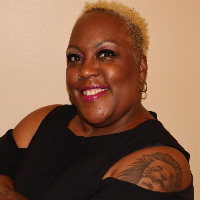
Michigan · 15 yrs exp
LMSW, LISW - stress, trauma, relationship concerns
Stress, Anxiety · Trauma and abuse · Grief · Depression · +11 more
Read profile
New Mexico · 4 yrs exp
LCSW focused on relationship and mood concerns
Stress, Anxiety · Relationship · Trauma and abuse · Intimacy-related issues · +11 more
Read profile
Texas · 15 yrs exp
LPC working with addictions and trauma
Addictions · Trauma and abuse · Grief · Anger · +10 more
Read profile
Texas · 20 yrs exp
LPC in Texas - anxiety, trauma, life changes
Stress, Anxiety · Trauma and abuse · Self esteem · Coping with life changes · +16 more
Read profile
Illinois · 18 yrs exp
LCPC in Illinois - stress, trauma, addictions
Stress, Anxiety · Addictions · Trauma and abuse · Grief · +12 more
Read profile
Wisconsin · 33 yrs exp
LPC in Wisconsin focusing on mood and trauma
Stress, Anxiety · Addictions · Trauma and abuse · Grief · +11 more
Read profile
Texas · 20 yrs exp
LPC in Texas focusing on stress and relationships
Stress, Anxiety · Relationship · Trauma and abuse · Depression · +11 more
Read profile
Utah · 11 yrs exp
LCMHC - Stress, mood, and coping support
Stress, Anxiety · Family · Self esteem · Depression · +5 more
Read profile
Idaho · 11 yrs exp
LCSW focusing on anxiety and addiction
Stress, Anxiety · Addictions · LGBT · Depression · +16 more
Read profile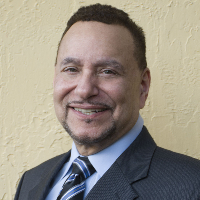
Florida · 30 yrs exp
LMHC and LMFT - stress, trauma, relationships
Stress, Anxiety · Addictions · Trauma and abuse · Grief · +14 more
Read profile
Florida · 7 yrs exp
LMHC - Anxiety, Depression, and Life Stress
Stress, Anxiety · Addictions · Relationship · Trauma and abuse · +15 more
Read profile
Michigan · 8 yrs exp
LMSW helping with stress and life transitions
Stress, Anxiety · Self esteem · Depression · Coping with life changes · +9 more
Read profileHospice and end-of-life counseling focuses on the emotional, relational, and existential responses that arise when someone is navigating terminal illness, life-limiting conditions, or the transition toward the end of life. Counseling in this area attends to a wide range of experiences - uncertainty about what comes next, anticipatory grief, shifting family roles, spiritual questions, and the practical decisions that surface as care needs change. Because these concerns touch identity, values, and relationships, the impact can be broad: you may notice changes in mood, sleep, appetite, or your capacity to take in day-to-day information, and family members may experience tension, guilt, or avoidance.
Rather than being only about treating symptoms, hospice and end-of-life counseling often centers on helping people and families find ways to cope, communicate, and honor priorities during an intense life transition. This work can include conversations about legacy, meaning-making, and how to preserve connection even as roles shift. For caregivers, the counseling process frequently includes supporting the practical and emotional labor of caregiving, while for people who are ill it may focus on autonomy, dignity, and making choices that reflect personal values.
You might consider seeking counseling if you notice that feelings related to illness or bereavement are interfering with your ability to function, or if you feel persistently overwhelmed by worry, sadness, anger, or numbness. If conversations about care preferences, advance planning, or medical decisions are causing repeated conflict in your family, a counselor can help mediate communication and create space for differing perspectives. Caregivers often reach a point where stress, fatigue, or resentment begins to affect their health or relationships - when daily routines are dominated by anxiety, or you find it hard to accept help, counseling can be a resource.
Another common indication is struggling with existential questions that feel hard to name - questions about meaning, legacy, faith, or what matters at the end of life. You may also find that grief begins before a death occurs, known as anticipatory grief, or that you are revisiting earlier losses in the face of a new terminal diagnosis. In any of these situations, counseling can provide a focused space to process your emotions, clarify priorities, and develop coping strategies that fit your personal values and cultural background.
When you begin working with a counselor who focuses on hospice and end-of-life concerns, the first sessions typically involve building rapport and mapping the most pressing needs. You can expect an opening conversation about what led you to seek help, what outcomes you hope for, and which relationships or practical issues are most central to your situation. Therapists often ask about your cultural and spiritual background, because those factors shape how people make meaning and approach end-of-life choices.
Subsequent sessions may include opportunities to process emotion, practice difficult conversations, and identify coping strategies for both immediate stress and longer-term adaptation. You might work on communication skills to help you discuss care preferences with family or clinicians, or explore legacy projects such as recording memories, writing letters, or organizing important documents. Counseling can also include short-term problem-solving around caregiving logistics and referrals to community resources. Throughout the process, the pace and focus are guided by your priorities - whether that is managing anxiety, repairing relationships, or preparing for bereavement.
Many people engage in counseling with family members or loved ones present, and therapy can shift between individual sessions and family-focused conversations. In-family sessions, the counselor helps to create a framework for respectful listening and clear decision-making. After a death, bereavement-focused counseling often supports the transition from intensive care or caregiving roles to grieving and rebuilding. The therapist may help you find rituals or practices that honor the person who died while also helping you to tend to your own emotional needs.
Therapists who list certain approaches among their methods often draw on different traditions to address the complex needs of people facing end-of-life issues. Emotion-focused approaches can help you make sense of intense feelings and develop strategies for tolerating distress. Narrative-oriented work invites you to explore life stories and legacy themes, crafting ways to express what has mattered most. Meaning-centered approaches assist in identifying sources of purpose and value that can be sustained even as circumstances change.
Other approaches that you may encounter include mindfulness-based techniques that help with present-moment coping, and interpersonal methods that concentrate on relationships and communication patterns. Some therapists include practical, problem-focused techniques to manage stress, organize decisions, or coordinate care resources. Therapists on the directory may list strengths-based, trauma-informed, grief-oriented, or spiritual approaches among their offerings, and it can be helpful to look for practitioners whose described methods align with your emotional style and cultural perspectives.
Online therapy expands the ways you can access counselors who work with hospice and end-of-life concerns. Many therapists offer video sessions, phone sessions, or messaging options that can reduce the burden of travel for someone with limited mobility or for family members with demanding schedules. Online sessions often follow the same therapeutic structure as in-person work - assessment, goal-setting, emotional processing, and practical planning - but the virtual format may require extra attention to technology, privacy in your environment, and clear expectations about emergency support.
When using online therapy, think about the setting where you will meet. You will want a quiet and comfortable environment that allows for focused conversation, whether that is a room at home or a private space at a hospice facility. It is also reasonable to ask how the therapist manages communication between sessions, such as whether they use text-based messaging platforms or email, and what their typical response time is for non-urgent messages. If you are coordinating care across a region, inquire whether the therapist works with local hospice teams, social workers, or spiritual care providers as part of an integrated approach.
Choosing a therapist is a personal decision and you can use several practical criteria to narrow your options. Start by noting which focus areas feel most relevant to you - grief, caregiving stress, family mediation, meaning-making, or spiritual concerns - and look for therapists who list those focus areas in their profiles. Pay attention to approaches that resonate with you; if you prefer narrative or meaning-centered conversations, seek practitioners who describe those orientations among their approaches. Consider language needs and cultural competence, particularly if cultural or spiritual practices are central to how you want to approach end-of-life planning and grieving.
It can be helpful to read therapists' profile descriptions for mentions of experience working with hospice teams, caregiving families, or bereavement follow-up, while keeping in mind that listings reflect how therapists describe their practice rather than external verification. Think about logistics such as whether you want in-person sessions in a clinical or hospice setting, or if you prefer remote sessions for convenience. Finally, trust your sense of fit - many people take an initial session or two to assess how comfortable they feel discussing sensitive topics and whether the therapist's communication style supports the kind of decision-making and emotional work they need.
End-of-life counseling is about helping you and your family navigate difficult transitions with clarity and compassion. By focusing on what matters most to you, exploring approaches that match your needs, and using practical criteria to choose a therapist, you can find support that honors values, eases communication, and helps you prepare for the changes ahead.
Alabama
20 therapists
Alaska
2 therapists
Arizona
16 therapists
Arkansas
8 therapists
California
147 therapists
Colorado
54 therapists
Connecticut
16 therapists
District of Columbia
2 therapists
Florida
153 therapists
Georgia
62 therapists
Hawaii
5 therapists
Idaho
8 therapists
Illinois
58 therapists
Indiana
27 therapists
Iowa
6 therapists
Kansas
13 therapists
Kentucky
17 therapists
Louisiana
20 therapists
Maine
2 therapists
Maryland
41 therapists
Massachusetts
28 therapists
Michigan
41 therapists
Minnesota
19 therapists
Mississippi
13 therapists
Missouri
38 therapists
Montana
5 therapists
Nebraska
9 therapists
Nevada
5 therapists
New Hampshire
4 therapists
New Jersey
38 therapists
New Mexico
6 therapists
New York
83 therapists
North Carolina
65 therapists
North Dakota
4 therapists
Ohio
45 therapists
Oklahoma
17 therapists
Oregon
17 therapists
Pennsylvania
45 therapists
Rhode Island
2 therapists
South Carolina
36 therapists
South Dakota
3 therapists
Tennessee
24 therapists
Texas
161 therapists
Utah
18 therapists
Vermont
3 therapists
Virginia
44 therapists
Washington
23 therapists
West Virginia
1 therapist
Wisconsin
20 therapists
Wyoming
3 therapists