
Maya Neal
LMFTSouth Carolina · 16 yrs exp
LMFT - Stress, relationships, and coping skills
Stress, Anxiety · Relationship · Family · Parenting · +14 more
Read profileTherapist listings are provided by BetterHelp. We will earn a commission at no additional cost to you if you use our links to purchase.
Welcome to TheTherapistFile.com directory for online therapists serving South Carolina. All therapists listed here hold state licensure in South Carolina for their credential. Explore profiles to learn about approaches, specialties, languages spoken and professional backgrounds.
South Carolina · 16 yrs exp
LMFT - Stress, relationships, and coping skills
Stress, Anxiety · Relationship · Family · Parenting · +14 more
Read profile
South Carolina · 20 yrs exp
LISW focusing on eating and life changes
Stress, Anxiety · Relationship · Eating · Self esteem · +10 more
Read profile
South Carolina · 6 yrs exp
LPC in South Carolina focused on common life stressors
Stress, Anxiety · Family · Trauma and abuse · Anger · +14 more
Read profile
South Carolina · 12 yrs exp
LCSW LISW-CP focused on anxiety and trauma
Stress, Anxiety · LGBT · Trauma and abuse · Anger · +1 more
Read profile
South Carolina · 12 yrs exp
LPC for stress, relationships, and mood concerns
Stress, Anxiety · Relationship · Parenting · Depression · +10 more
Read profile
South Carolina · 25 yrs exp
LISW-CP therapist focusing on stress and coping
Stress, Anxiety · Grief · Anger · Self esteem · +10 more
Read profile
South Carolina · 6 yrs exp
LISW-CP focused on adult emotional and behavioral concerns
Stress, Anxiety · Trauma and abuse · Anger · Depression · +10 more
Read profile
South Carolina · 20 yrs exp
LMFT in South Carolina - Relationship and LGBTQ focus
Stress, Anxiety · LGBT · Relationship · Family · +15 more
Read profile
South Carolina · 17 yrs exp
LPC LCMHC focused on mood and addictions
Stress, Anxiety · Addictions · Relationship · Trauma and abuse · +10 more
Read profile
South Carolina · 21 yrs exp
LPC LCPC - Stress, anxiety, trauma
Stress, Anxiety · Trauma and abuse · Self esteem · Depression · +12 more
Read profile
South Carolina · 10 yrs exp
LPC focused on anxiety and relationship concerns
Stress, Anxiety · Relationship · Trauma and abuse · Self esteem · +16 more
Read profile
South Carolina · 10 yrs exp
LPC focusing on mood and life challenges
Stress, Anxiety · Anger · Self esteem · Coping with life changes · +13 more
Read profile
South Carolina · 24 yrs exp
LPC focusing on anxiety, trauma, and behavior change
Stress, Anxiety · Relationship · Self esteem · Depression · +14 more
Read profile
South Carolina · 13 yrs exp
LPC in South Carolina - stress and life changes
Stress, Anxiety · Parenting · Anger · Coping with life changes · +10 more
Read profile
South Carolina · 33 yrs exp
LPC focused on relationships and life transitions
Stress, Anxiety · Relationship · Family · Career · +10 more
Read profile
South Carolina · 25 yrs exp
Licensed Professional Counselor - stress and mood concerns
Stress, Anxiety · Addictions · Depression · Coping with life changes · +10 more
Read profile
South Carolina · 16 yrs exp
SC Psychologist focused on mood and trauma
Stress, Anxiety · Trauma and abuse · Sleeping · Anger · +10 more
Read profile
South Carolina · 27 yrs exp
LCSW, LISW-CP - stress anxiety addictions
Stress, Anxiety · Addictions · Sleeping · Self esteem · +1 more
Read profile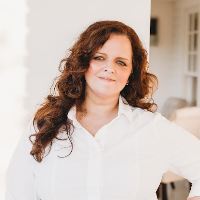
South Carolina · 8 yrs exp
LPC focusing on mood and behavioral concerns
Stress, Anxiety · Addictions · Trauma and abuse · Depression · +6 more
Read profile
South Carolina · 21 yrs exp
LPC, LCMHC - relationships and mood concerns
Relationship · Grief · Parenting · Depression · +14 more
Read profile
South Carolina · 10 yrs exp
LISW-CP focused on anxiety and grief
Stress, Anxiety · Grief · Self esteem · Coping with life changes · +8 more
Read profile
South Carolina · 14 yrs exp
LPC specializing in trauma and mood concerns
Stress, Anxiety · Relationship · Family · Trauma and abuse · +13 more
Read profile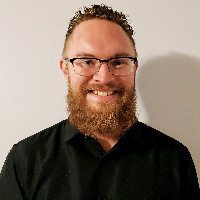
South Carolina · 10 yrs exp
Licensed Professional Counselor - relationship and addiction work
Stress, Anxiety · Addictions · Relationship · Depression · +10 more
Read profile
South Carolina · 52 yrs exp
LCSW-C, LISW - stress, mood, relationship work
Stress, Anxiety · Relationship · Grief · Intimacy-related issues · +15 more
Read profileIf you live in South Carolina and are exploring online therapy options, you will find a range of professionals who offer counseling through video, phone and messaging. Many clinicians in the state list telehealth as one of their service methods, and practices vary from individual clinicians working independently to group practices that coordinate virtual care. Because licensing requirements focus on the state where the client is located, you will most often see therapists who list South Carolina licensure among their credentials when they provide services to residents. That means you can find clinicians with a variety of backgrounds who work with adults, adolescents or families across urban and rural regions of the state. Online options can broaden the geographic reach of those seeking help, connecting you with clinicians whose approaches and language skills match your needs even if they are not physically near you.
Regulatory rules influence how online therapy is offered. In many cases, therapists must hold an active license in the state to provide therapy to someone who lives there. State boards maintain records of licensure and professional status, and clinicians who offer online care typically reference the type of licensure they hold. Because regulations and platform practices evolve, it is a good idea to review a therapist's profile and the relevant state board information before committing to a course of care. You may also see clinicians who list specific therapeutic approaches among their methods - for example, therapists who list EMDR among their approaches or therapists who note cognitive behavioral methods - without implying any particular certification beyond what their profile states.
Online therapy can offer convenience when travel time or local resources limit your options. You can connect from home, a workplace break room or another setting that feels comfortable to you, avoiding lengthy commutes and expanding the pool of clinicians you can consider. For people living in areas with fewer local mental health providers, online therapy may make it easier to find someone who works with your particular concern or demographic group. Another benefit is scheduling flexibility - many clinicians offer sessions outside traditional office hours, and asynchronous messaging options allow you to communicate between sessions in a way that complements live meetings.
Therapeutic fit is also easier to prioritize when location is less of a barrier. You can look for clinicians who focus on specific life stages, cultural backgrounds or languages, and choose someone whose approach resonates with you. Many people find that the virtual format encourages consistent attendance because it removes the logistical obstacles of travel. Keep in mind that online therapy does rely on a stable internet connection and a device that supports video conferencing, so you can consider the technical requirements and choose a format that suits your comfort level.
Online therapists in South Carolina address a wide range of concerns that you might seek help for. Many clinicians list anxiety, depression, relationship stress, life transitions, grief, and stress management among their areas of focus. Others specialize in supporting those dealing with trauma, adjustment to chronic health conditions, parenting challenges, or workplace stress. Some therapists identify experience working with adolescents and young adults, while others emphasize work with older adults or couples. If you are seeking care related to substance use, eating concerns, gender or sexual identity questions, or cultural and faith-based intersections, you can find clinicians who note those areas on their profiles.
When you review profiles, pay attention to how a therapist describes the kinds of concerns they address and the populations they emphasize. Many clinicians will note the modalities they use, and you may see statements such as therapists who list EMDR among their approaches or clinicians who note cognitive behavioral methods, psychodynamic themes, family systems, or mindfulness-based work. Those descriptions can help you evaluate whether a therapist's stated focus aligns with what you want from care. Remember that a thorough intake conversation with a clinician can help clarify whether their approach and experience fit your needs.
Verifying licensure is an important step when you are considering online therapy. The state maintains public records that can help you confirm that a clinician holds an active license and that there are no disciplinary actions recorded against them. You can locate the relevant board by identifying the clinician's credential - for example, licensed professional counselor, licensed clinical social worker, marriage and family therapist, or psychologist - and then searching the South Carolina board that oversees that credential. Many boards provide an online lookup tool that displays license status, issue and expiration dates, and any public disciplinary history.
When you use a license lookup tool, enter the name and any license number listed on the therapist's profile. If you find a recent expiration date or a record you do not understand, you can contact the board directly for clarification. The board can also explain the scope of practice for each credential and help you interpret any public actions. Checking licensure gives you factual information about a clinician's authorization to practice in South Carolina and can increase your confidence when choosing among profiles that appear to match your needs.
Getting started usually begins with exploring profiles and identifying a few therapists whose specialties, approaches and languages align with your preferences. Read how clinicians describe their work and note any practice notes about session types, such as video, phone or messaging. Next, reach out using the contact method provided on the profile to ask practical questions about session length, fees, insurance or payment methods, and the clinician's approach to telehealth. Many therapists will outline intake processes on their profiles, which may include a brief phone consultation or an initial intake form to gather background information.
Before your first session, consider the environment from which you will join. Choose a place where you feel comfortable and where you can speak without being overheard. Test your device and internet connection ahead of time to reduce interruptions. It helps to prepare a short list of concerns and goals so you can share them at the outset, and to think about logistical items such as preferred session days and how you will handle cancellations or emergencies. If you use health insurance, confirm that the clinician accepts it and whether any preauthorization is required. If insurance is not part of your plan, ask about sliding scale options or payment methods and any paperwork you will need to complete prior to meeting.
Choosing a therapist is both practical and personal. Start by thinking about what matters most to you: Do you want someone who focuses on a specific therapeutic approach, someone with experience in certain life stages or cultural contexts, or someone who speaks your preferred language? Profiles that highlight clinical interests, experience, and the populations clinicians work with can help you narrow the field. You may want to prioritize clinicians who describe a therapeutic style that feels collaborative and aligns with how you prefer to work.
When you contact a clinician, notice how they respond to your questions about approach, goals and administrative details. An initial conversation can reveal whether you feel heard and understood and whether the clinician's way of explaining their work resonates with you. It is reasonable to expect clear information about fees, session length and what to expect in the early weeks of therapy. Over time, you and your clinician can assess progress and adjust goals or methods as needed. Trust your judgment about fit - strong therapeutic relationships are built on mutual respect and a sense that you and the clinician can work toward the outcomes you want.
Finding an online therapist in South Carolina means balancing practical considerations with the personal connection that makes therapy effective for you. Use profile details to guide your decisions, verify licensure through the appropriate South Carolina board, and arrange an initial contact to confirm fit. With thoughtful steps, you can identify a clinician whose skills and approach match the support you are seeking and begin a process that aims to help you move forward.
Addictions
818 therapists
ADHD
751 therapists
Anger
998 therapists
Chronic Illness
426 therapists
Control Issues
762 therapists
Depression
1340 therapists
Grief
1115 therapists
Guilt and Shame
1055 therapists
Isolation / Loneliness
1009 therapists
Midlife Crisis
701 therapists
Mood Disorders
910 therapists
Panic Disorder and Panic Attacks
825 therapists
Post-Traumatic Stress
953 therapists
Postpartum Depression
491 therapists
Self Esteem
1302 therapists
Sleeping Disorders
435 therapists
Social Anxiety and Phobia
978 therapists
Stress & Anxiety
1427 therapists
Trauma and Abuse
1192 therapists
Abandonment
732 therapists
Aging and Geriatric Issues
531 therapists
Attachment Issues
787 therapists
Blended Family Issues
620 therapists
Body Image
554 therapists
Career
851 therapists
Caregiver Issues and Stress
818 therapists
Codependency
768 therapists
Communication Problems
1142 therapists
Compassion Fatigue
761 therapists
Coping with Life Changes
1218 therapists
Divorce
875 therapists
Family
1112 therapists
Family of Origin Issues
639 therapists
Forgiveness
993 therapists
Hospice and End-of-Life Counseling
376 therapists
Life Purpose
1048 therapists
Money and Financial Issues
488 therapists
Parenting
957 therapists
Pregnancy
355 therapists
Relationship
1244 therapists
Self-Love
1022 therapists
Workplace Issues
794 therapists