
Dr. Julie McCune
LPCCOhio · 25 yrs exp
Dr. Julie McCune, LPCC - Stress, anxiety, relationships
Stress, Anxiety · LGBT · Relationship · Self esteem · +16 more
Read profileTherapist listings are provided by BetterHelp. We will earn a commission at no additional cost to you if you use our links to purchase.
This page lists therapists who focus on control issues and related challenges. Browse the listings below to review clinicians' approaches, credentials, and areas of focus before making contact.
Ohio · 25 yrs exp
Dr. Julie McCune, LPCC - Stress, anxiety, relationships
Stress, Anxiety · LGBT · Relationship · Self esteem · +16 more
Read profile
South Carolina · 16 yrs exp
LMFT - Stress, relationships, and coping skills
Stress, Anxiety · Relationship · Family · Parenting · +14 more
Read profile
Florida · 20 yrs exp
LMHC in Florida - Addiction and relationship issues
Stress, Anxiety · Addictions · Relationship · Self esteem · +16 more
Read profile
Massachusetts · 23 yrs exp
MA LMHC - Addictions, Relationships, Trauma
Addictions · LGBT · Relationship · Intimacy-related issues · +12 more
Read profile
Pennsylvania · 12 yrs exp
LPCC LMHC focusing on mood and relationships
Stress, Anxiety · Relationship · Self esteem · Depression · +11 more
Read profile
Missouri · 7 yrs exp
LPC in Missouri focused on mood and addiction issues
Stress, Anxiety · Addictions · Relationship · Self esteem · +13 more
Read profile
Louisiana · 10 yrs exp
LPC in Louisiana focused on relationships and coping
Stress, Anxiety · Relationship · Family · Depression · +12 more
Read profile
Texas · 10 yrs exp
LPC in Texas focused on anxiety and relationships
Stress, Anxiety · Relationship · Family · Depression · +14 more
Read profile
Ohio · 33 yrs exp
LPCC in Ohio - stress and trauma focus
Stress, Anxiety · Family · Trauma and abuse · Self esteem · +12 more
Read profile
Colorado · 11 yrs exp
LPC focusing on anxiety and life transitions
Stress, Anxiety · LGBT · Trauma and abuse · Anger · +15 more
Read profile
Wisconsin · 11 yrs exp
Licensed Professional Counselor - stress and relationships
Stress, Anxiety · Family · Trauma and abuse · Depression · +12 more
Read profile
Texas · 20 yrs exp
LICSW LCSW - Stress anxiety and addiction work
Stress, Anxiety · Addictions · Family · Grief · +15 more
Read profile
Florida · 20 yrs exp
LMHC in Florida - stress anxiety grief focus
Stress, Anxiety · Grief · Self esteem · Depression · +9 more
Read profile
South Carolina · 20 yrs exp
LISW focusing on eating and life changes
Stress, Anxiety · Relationship · Eating · Self esteem · +10 more
Read profile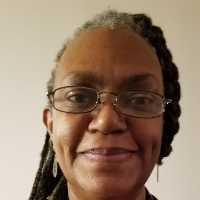
Maryland · 25 yrs exp
LCPC in Maryland - stress and addictions focus
Stress, Anxiety · Addictions · Relationship · Grief · +12 more
Read profile
Missouri · 35 yrs exp
LCSW focused on trauma, mood, and life changes
Stress, Anxiety · Trauma and abuse · Anger · Bipolar · +13 more
Read profile
Oregon · 17 yrs exp
LMFT focusing on trauma, anxiety, and grief
Stress, Anxiety · Trauma and abuse · Grief · Intimacy-related issues · +1 more
Read profile
Colorado · 13 yrs exp
LMFT in Colorado - stress, trauma, relationships
Stress, Anxiety · LGBT · Relationship · Trauma and abuse · +10 more
Read profile
Michigan · 14 yrs exp
LICSW focusing on trauma and life changes
Stress, Anxiety · Addictions · Family · Trauma and abuse · +12 more
Read profile
North Dakota · 10 yrs exp
Licensed Clinical Social Worker - mood, trauma, family concerns
Stress, Anxiety · Relationship · Family · Trauma and abuse · +10 more
Read profile
Texas · 13 yrs exp
LPC working with adults and couples
Stress, Anxiety · Relationship · Family · Parenting · +14 more
Read profile
Oklahoma · 9 yrs exp
LPC - Stress, mood, and relationship concerns
Stress, Anxiety · Anger · Self esteem · Coping with life changes · +16 more
Read profile
Florida · 35 yrs exp
LMHC in Florida - Stress, mood, and relationship concerns
Stress, Anxiety · Family · Grief · Eating · +16 more
Read profile
Idaho · 18 yrs exp
LCSW focused on anxiety, trauma, and coping
Stress, Anxiety · Trauma and abuse · Grief · Self esteem · +10 more
Read profileControl issues describe patterns of thinking and behavior where managing outcomes, relationships, or inner states becomes a central focus. For some people this looks like insisting on strict routines, micromanaging others, or avoiding situations that feel unpredictable. For others it shows up as intense worry, perfectionism, or attempts to anticipate and prevent bad outcomes. Control issues can be a response to stress, past experiences, or an attempt to manage anxiety and uncertainty. They are common across different ages, cultures, and life circumstances. Recognizing them is the first step toward changing patterns that no longer serve you.
Control strategies can be useful in small doses - they can help you complete a project or keep a household running. The concern arises when those strategies interfere with daily functioning, relationships, or your sense of wellbeing. You might find that planning becomes rigid rather than flexible, or that efforts to steer others create conflict and isolation. Therapy can offer ways to reclaim choice and reduce the need to control every outcome.
If you often feel overwhelmed by the need to manage outcomes, therapy can help you explore why that pattern developed and how to shift it. You might notice recurring tension in personal or work relationships because decision-making is dominated by you or because you feel undermined when others take the lead. You may also experience chronic worry, irritability, frequent rumination, or trouble delegating tasks. Avoidance of uncertainty can limit opportunities, causing you to miss social or professional experiences because they feel too risky.
Other signs include physical symptoms related to stress, such as sleep problems, muscle tension, or frequent headaches, and emotional responses like shame or guilt when control is lost. You may find yourself engaging in behaviors that aim to prevent discomfort but ultimately reinforce the cycle of control. If these patterns feel entrenched or are causing unhappiness, working with a therapist can provide tools to tolerate uncertainty, build flexibility, and enhance emotional regulation without judgment.
When you begin therapy for control issues, a clinician typically spends time understanding your history, current patterns, and the situations that trigger your urge to control. Early sessions often involve talking about goals and what change would look like in your life. A collaborative plan may include short-term strategies to reduce distress and longer-term work to shift beliefs and behaviors that maintain control patterns.
Therapy often blends exploration of underlying themes with practical skill-building. You might practice techniques for managing anxiety in the moment, such as breathing, grounding, or brief cognitive reframes. Over weeks and months, you could work on experiments that allow you to tolerate small amounts of uncertainty, gradually increasing your confidence in flexibility. Homework or real-world practice is common - these exercises help translation of skills from sessions into everyday life. The therapeutic relationship itself can provide a model for trying out different ways of relating, noticing how it feels to relinquish some control and to accept support.
Therapists addressing control issues draw from a range of approaches depending on your needs and preferences. Cognitive-behavioral therapy focuses on identifying the thoughts and beliefs that drive controlling behaviors and on developing alternative responses. Acceptance and commitment therapy emphasizes willingness to tolerate uncomfortable internal experiences while living in line with personal values. Dialectical behavior therapy offers skills in emotion regulation and distress tolerance that can reduce the impulse to control as a way to avoid feeling bad.
Psychodynamic and relational approaches explore how early relationships and life events shaped your expectations and strategies for managing risk. Family systems work can be helpful when control patterns are embedded in household roles or intergenerational dynamics. Some therapists list EMDR among their approaches for work related to trauma that contributes to control strategies; in those cases EMDR may be offered as one part of a broader plan. Integrative therapists may combine methods to match your goals, focusing both on symptom relief and on deeper shifts in patterns.
Online therapy can be an effective way to address control issues, offering flexibility in how you meet with a clinician. Sessions commonly take place by video call, though phone sessions and messaging options may also be available depending on the therapist. You will want to choose a quiet, comfortable environment for sessions and ensure a stable internet connection so that the flow of conversation is not disrupted. Many people find video sessions allow them to practice responding to uncertainty in a familiar setting and to apply tools in real time between sessions.
When engaging in online therapy, it is important to plan for situations that require immediate, in-person assistance. Therapists typically discuss safety and emergency contacts as part of initial planning. You should also review how a therapist describes their approach to working with control issues, including whether they focus on skills, insight, or a combination. If a therapist lists options such as EMDR among their approaches, that indicates they include that method in their work but does not speak to individual training or certification.
Selecting a therapist often comes down to a mix of practical and personal factors. Consider how a clinician describes their work with control issues - do they emphasize skills, emotion-focused work, relational patterns, or a blended approach? Think about whether you prefer a more directive style that sets clear exercises and goals or a reflective style that emphasizes exploration. Review credentials and populations served to ensure the clinician has experience with issues similar to yours, and look at languages spoken if that matters for comfort and nuance in therapy.
When you reach out to a prospective therapist, pay attention to how they describe their approach and whether that explanation resonates with your goals. Many people benefit from an initial conversation to sense whether the therapeutic style feels like a fit. Trust your sense of comfort with the clinician's tone and plan - the relationship matters as much as the techniques. Finally, be prepared to try different strategies and to give a new approach time to produce change, keeping in mind that steady effort and collaboration with a therapist often yield the most useful gains.
Therapy for control issues is about building options rather than abandoning all predictability. With support, you can develop new skills to tolerate uncertainty, expand the range of experiences you allow yourself, and create a life that balances planning with flexibility. Use the listings above to explore therapists who describe work with control issues, read their practice descriptions, and reach out to learn more about their approach to this kind of work.
Alabama
20 therapists
Alaska
2 therapists
Arizona
16 therapists
Arkansas
8 therapists
California
147 therapists
Colorado
54 therapists
Connecticut
16 therapists
District of Columbia
2 therapists
Florida
153 therapists
Georgia
62 therapists
Hawaii
5 therapists
Idaho
8 therapists
Illinois
58 therapists
Indiana
27 therapists
Iowa
6 therapists
Kansas
13 therapists
Kentucky
17 therapists
Louisiana
20 therapists
Maine
2 therapists
Maryland
41 therapists
Massachusetts
28 therapists
Michigan
41 therapists
Minnesota
19 therapists
Mississippi
13 therapists
Missouri
38 therapists
Montana
5 therapists
Nebraska
9 therapists
Nevada
5 therapists
New Hampshire
4 therapists
New Jersey
38 therapists
New Mexico
6 therapists
New York
83 therapists
North Carolina
65 therapists
North Dakota
4 therapists
Ohio
45 therapists
Oklahoma
17 therapists
Oregon
17 therapists
Pennsylvania
45 therapists
Rhode Island
2 therapists
South Carolina
36 therapists
South Dakota
3 therapists
Tennessee
24 therapists
Texas
161 therapists
Utah
18 therapists
Vermont
3 therapists
Virginia
44 therapists
Washington
23 therapists
West Virginia
1 therapist
Wisconsin
20 therapists
Wyoming
3 therapists