01
- Client-Centered Therapy
- Cognitive Behavioral Therapy
- Dialectical Behavior Therapy
About David
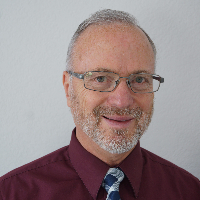
David Martin, LCSW, is licensed in Utah and Idaho and has 18 years of clinical experience. He focuses on stress, anxiety, trauma and abuse, grief, self-esteem, depression, LGBT concerns, relationship and family issues, parenting, anger, bipolar disorder, coping with life changes, coaching, and compassion fatigue. He uses person-centered methods alongside elements of cognitive behavioral therapy, dialectical behavior therapy, and psychodynamic therapy.
Martin draws on a long history in community mental health. He has worked with people facing mental health and substance use challenges and has moved much of his practice to remote sessions since 2020. He found that some people share more openly by phone, text, or video than in person.
His style emphasizes a nonjudgmental stance. He helps people see how concrete changes can affect daily life and offers support while they try new ways of coping. Sessions focus on practical steps and on talking through patterns that get in the way of goals.
Therapeutic decisions are collaborative. He begins from the client’s current situation and mixes methods as needed, using CBT and DBT skills alongside psychodynamic ideas when helpful. The work often includes building coping skills, improving communication, and managing mood or trauma symptoms.
Martin accepts clients internationally and conducts sessions in English. He asks new clients to complete a brief matching questionnaire and schedule an initial session to get started.
02
Therapeutic approaches and what online work looks like
Client-centered therapy focuses on the client’s perspective and aims to meet people where they are. It involves reflective listening and helping clients identify their own goals. Cognitive behavioral therapy, or CBT, teaches skills to change unhelpful thoughts and behaviors and is often used for anxiety, depression, and stress. Dialectical behavior therapy, or DBT, provides practical skills for regulating emotion, tolerating distress, and improving relationships.Choosing the right approach is part of the work. The therapist will collaborate with the client to decide which methods make the most sense based on current needs and goals. Adjustments happen over time as progress and challenges become clearer.
The biography notes that much of the practice shifted to remote sessions after 2020 and that some clients prefer phone, text, or video contacts. Confirm the current session options before booking to know which formats are available. Online sessions can make it easier to fit therapy into a busy schedule, allow shorter check-ins when needed, and reduce travel time. Therapists trained as licensed professionals use these methods to deliver comparable therapeutic work when the chosen approach fits the client’s situation.
03
Areas of expertise
Also works with
Additional focus areas
Therapeutic approaches
Experience
18+ years
Listed in
Utah, Idaho
Languages
English
04
Frequently asked questions
Which concerns does he address?
He addresses stress, anxiety, trauma and abuse, grief, self-esteem, depression, LGBT concerns, relationship and family issues, parenting, anger, bipolar disorder, coping with life changes, coaching, and compassion fatigue, among other areas.
What is his therapeutic style?
He uses a person-centered approach and combines elements of cognitive behavioral therapy, dialectical behavior therapy, and psychodynamic therapy as appropriate.
How much experience does he have?
He has 18 years of counseling experience working in community mental health and private practice settings.
Where is he licensed and based?
He is a Licensed Clinical Social Worker holding LCSW credentials in Utah and Idaho and practices from Idaho.
Which languages are supported?
Sessions are offered in English.
Can international clients work with him?
He accepts international clients.
How does payment and cost work?
Cost varies with location and sessions use a subscription that can be canceled at any time.
How do I begin working with him?
Select the See online therapy options button, complete a short matching questionnaire, and schedule a first session.
Online talk therapy is not emergency care. If you are in danger, call 911, or call or text 988.