
Dr. Julie McCune
LPCCOhio · 25 yrs exp
Dr. Julie McCune, LPCC - Stress, anxiety, relationships
Stress, Anxiety · LGBT · Relationship · Self esteem · +16 more
Read profileTherapist listings are provided by BetterHelp. We will earn a commission at no additional cost to you if you use our links to purchase.
On this page you will find profiles of therapists who list LGBT among their specialties, with descriptions of focus areas, approaches, credentials, languages, and experience. Browse the listings below to explore counselors who work with gender identity, sexual orientation, relationship concerns, and related topics.
Ohio · 25 yrs exp
Dr. Julie McCune, LPCC - Stress, anxiety, relationships
Stress, Anxiety · LGBT · Relationship · Self esteem · +16 more
Read profile
South Carolina · 16 yrs exp
LMFT - Stress, relationships, and coping skills
Stress, Anxiety · Relationship · Family · Parenting · +14 more
Read profile
Florida · 20 yrs exp
LMHC in Florida - Addiction and relationship issues
Stress, Anxiety · Addictions · Relationship · Self esteem · +16 more
Read profile
Massachusetts · 23 yrs exp
MA LMHC - Addictions, Relationships, Trauma
Addictions · LGBT · Relationship · Intimacy-related issues · +12 more
Read profile
Florida · 39 yrs exp
LMHC in Florida - relationship and stress concerns
Stress, Anxiety · Relationship · Family · Parenting · +14 more
Read profile
North Carolina · 16 yrs exp
Dr. Christina Collins LCMHC - relationship and emotional concerns
Stress, Anxiety · Relationship · Trauma and abuse · Grief · +7 more
Read profile
North Carolina · 51 yrs exp
LCMHC - Relationships and mood concerns
Relationship · Intimacy-related issues · Parenting · Self esteem · +12 more
Read profile
Maryland · 10 yrs exp
Licensed Clinical Professional Counselor - relationship and trauma work
Stress, Anxiety · Relationship · Family · Intimacy-related issues · +12 more
Read profile
Pennsylvania · 12 yrs exp
LPCC LMHC focusing on mood and relationships
Stress, Anxiety · Relationship · Self esteem · Depression · +11 more
Read profile
Texas · 10 yrs exp
LPC in Texas focused on anxiety and relationships
Stress, Anxiety · Relationship · Family · Depression · +14 more
Read profile
Georgia · 15 yrs exp
LPC in Georgia focused on anxiety and relationships
Stress, Anxiety · Grief · Intimacy-related issues · Self esteem · +10 more
Read profile
Colorado · 11 yrs exp
LPC focusing on anxiety and life transitions
Stress, Anxiety · LGBT · Trauma and abuse · Anger · +15 more
Read profile
Virginia · 23 yrs exp
Licensed Professional Counselor - stress and trauma
Stress, Anxiety · Trauma and abuse · Self esteem · Depression · +9 more
Read profile
South Dakota · 12 yrs exp
LPC LMHP focused on anxiety and relationship work
Stress, Anxiety · Relationship · Family · Trauma and abuse · +13 more
Read profile
Florida · 30 yrs exp
FL Psychologist - stress, anxiety, relationships
Stress, Anxiety · Grief · Anger · Depression · +15 more
Read profile
Texas · 20 yrs exp
LICSW LCSW - Stress anxiety and addiction work
Stress, Anxiety · Addictions · Family · Grief · +15 more
Read profile
Florida · 20 yrs exp
LMHC in Florida - stress anxiety grief focus
Stress, Anxiety · Grief · Self esteem · Depression · +9 more
Read profile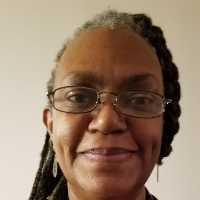
Maryland · 25 yrs exp
LCPC in Maryland - stress and addictions focus
Stress, Anxiety · Addictions · Relationship · Grief · +12 more
Read profile
California · 20 yrs exp
LCSW focused on stress and relationships
Stress, Anxiety · Relationship · Family · Parenting · +15 more
Read profile
Missouri · 35 yrs exp
LCSW focused on trauma, mood, and life changes
Stress, Anxiety · Trauma and abuse · Anger · Bipolar · +13 more
Read profile
Colorado · 13 yrs exp
LMFT in Colorado - stress, trauma, relationships
Stress, Anxiety · LGBT · Relationship · Trauma and abuse · +10 more
Read profile
Colorado · 20 yrs exp
LCSW - Adult mental health and trauma
Stress, Anxiety · Trauma and abuse · Grief · Depression · +15 more
Read profile
North Dakota · 10 yrs exp
Licensed Clinical Social Worker - mood, trauma, family concerns
Stress, Anxiety · Relationship · Family · Trauma and abuse · +10 more
Read profile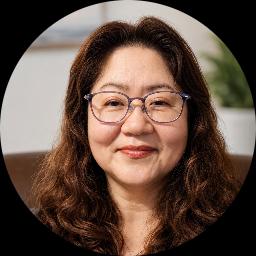
Texas · 13 yrs exp
LPC working with adults and couples
Stress, Anxiety · Relationship · Family · Parenting · +14 more
Read profileLGBT is an umbrella term that refers to sexual orientations and gender identities that fall outside of heterosexual and cisgender norms. People use LGBT to describe lesbian, gay, bisexual, and transgender identities, and the term often extends to include queer, intersex, asexual, and other identities. Identity is only one part of who you are, but it can strongly shape the situations you encounter, the relationships you form, and how you navigate social spaces.
The social context around sexual orientation and gender identity matters. You may face unsupportive family responses, workplace challenges, or cultural and religious pressures that complicate daily life. For many people, these experiences accumulate as stress related to stigma, discrimination, and misunderstanding. At the same time, community connections, activism, and chosen family can be important sources of resilience and meaning. Therapy focused on LGBT themes often attends to both the external pressures you face and the internal work of exploring identity, values, and relationships.
You might turn to therapy when questions about your sexual orientation or gender identity feel overwhelming, when coming out feels complicated, or when relationships are strained by misunderstanding. Feeling isolated, anxious, depressed, or unsure about how to express yourself are common reasons people seek help. You might also seek support after an adverse experience tied to your identity, such as discrimination, harassment, or rejection by loved ones.
Therapy can also be helpful if you want to explore transitions in relationships, dating, or family planning with attention to LGBT-specific issues. If you encounter repeated conflicts related to identity, or you feel internalized negative beliefs about yourself, talking with a clinician who lists LGBT among their specialties can provide a structured space to reflect and plan. You do not need to be in crisis to benefit from therapy; many people use counseling as an opportunity for personal growth, assertiveness building, and developing strategies for managing stress and relationships.
Your first sessions will usually involve getting to know each other and clarifying what you want to work on. A clinician will typically ask about your background, relationships, identity history, and current concerns to form a collaborative plan. If you care about a particular approach, you can look for therapists who list that approach among their methods and ask about how they apply it to LGBT topics during your initial contact.
Therapy often proceeds at a pace that feels comfortable to you, with attention to safety and consent around sensitive topics like coming out, medical transition, or family conflict. Sessions may focus on helping you reduce distress, build coping skills, or process past hurt. Some people choose individual therapy, while others work with couples, family members, or groups to address relationship dynamics. Clinicians may also help you identify community resources, support groups, or medical and legal referrals when those are relevant to your goals.
Therapists use a variety of approaches when working with LGBT clients, and many combine elements from different traditions to fit individual needs. You may encounter clinicians who list cognitive-behavioral approaches among their methods to address anxiety, mood, or unhelpful thinking patterns. Others might emphasize narrative work to help you reframe the stories you tell about your identity and life history. There are clinicians who incorporate family systems ideas to explore relational patterns, and some who describe trauma-informed care to address past harms that affect your present functioning.
Affirmative practice is a common orientation rather than a single technique - it means the clinician pays attention to identity, power dynamics, and the cultural context of LGBT experiences. Therapists who list supportive counseling, interpersonal therapy, or psychodynamic perspectives among their approaches may also tailor those frameworks to LGBT-related themes. It can be useful to read profiles and look for language that resonates with you, such as an emphasis on coming out support, gender exploration, relationship counseling, or coping with discrimination.
Online therapy offers flexibility if you prefer meeting from home, need access to clinicians outside your local area, or want to connect with someone who lists LGBT among their specialties but practices in another state. Sessions typically take place via video, phone, or messaging, and many clinicians maintain consistent appointment times and an ongoing treatment plan similar to in-person work. Online formats can make it easier to find a clinician who speaks your language or specializes in the specific issues you care about, such as gender transitions, relationship dynamics, or cultural identity concerns.
If you choose online therapy, consider how you will create a calm, comfortable environment for sessions. Some people arrange a personal room, use headphones, or set a consistent time of day to minimize interruptions. Technology considerations include checking audio and video quality ahead of your first session and asking a clinician how they handle record-keeping, emergency situations, and communication between sessions. These practical details help you focus on the therapeutic work when you meet.
Choosing a therapist is a personal decision that depends on rapport as much as credentials. Start by looking for clinicians who list LGBT among their specialties and read profile language about focus areas, approaches, and experience. Note whether a clinician mentions working with issues that match your priorities - for example, identity exploration, relationship counseling, family reconciliation, or coping with minority stress.
When you reach out to clinicians, describe your goals briefly and ask questions about their approach to LGBT topics. You might inquire how they support clients through coming out, how they approach conversations about gender, or how they work with couples where partners have different identities or levels of acceptance. Pay attention to whether the clinician listens to your concerns and responds in a way that feels respectful and attuned to your experience. Practical factors such as meeting format, language, and insurance or payment options may influence your decision, but the most important factor is whether you feel understood and able to do honest work in the sessions.
Finding a clinician who fits may take time, and it is reasonable to try a few profiles until you find someone who matches your needs and communication style. Therapy can be a space to build resilience, clarify identity, and strengthen relationships, and selecting a clinician who lists relevant specialties and approaches is a helpful first step in that process.
Alabama
20 therapists
Alaska
2 therapists
Arizona
16 therapists
Arkansas
8 therapists
California
147 therapists
Colorado
54 therapists
Connecticut
16 therapists
District of Columbia
2 therapists
Florida
153 therapists
Georgia
62 therapists
Hawaii
5 therapists
Idaho
8 therapists
Illinois
58 therapists
Indiana
27 therapists
Iowa
6 therapists
Kansas
13 therapists
Kentucky
17 therapists
Louisiana
20 therapists
Maine
2 therapists
Maryland
41 therapists
Massachusetts
28 therapists
Michigan
41 therapists
Minnesota
19 therapists
Mississippi
13 therapists
Missouri
38 therapists
Montana
5 therapists
Nebraska
9 therapists
Nevada
5 therapists
New Hampshire
4 therapists
New Jersey
38 therapists
New Mexico
6 therapists
New York
83 therapists
North Carolina
65 therapists
North Dakota
4 therapists
Ohio
45 therapists
Oklahoma
17 therapists
Oregon
17 therapists
Pennsylvania
45 therapists
Rhode Island
2 therapists
South Carolina
36 therapists
South Dakota
3 therapists
Tennessee
24 therapists
Texas
161 therapists
Utah
18 therapists
Vermont
3 therapists
Virginia
44 therapists
Washington
23 therapists
West Virginia
1 therapist
Wisconsin
20 therapists
Wyoming
3 therapists