
Tanya Vincent
LCPCMaryland · 10 yrs exp
Licensed Clinical Professional Counselor - relationship and trauma work
Stress, Anxiety · Relationship · Family · Intimacy-related issues · +12 more
Read profileTherapist listings are provided by BetterHelp. We will earn a commission at no additional cost to you if you use our links to purchase.
Welcome to our Maryland directory of online therapists. All listed clinicians hold state licenses to practice in Maryland, and you can explore their profiles to learn about education, approaches, and focus areas. Use the listings below to compare counselors and find someone who matches your needs.
Maryland · 10 yrs exp
Licensed Clinical Professional Counselor - relationship and trauma work
Stress, Anxiety · Relationship · Family · Intimacy-related issues · +12 more
Read profile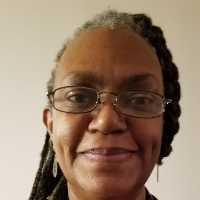
Maryland · 25 yrs exp
LCPC in Maryland - stress and addictions focus
Stress, Anxiety · Addictions · Relationship · Grief · +12 more
Read profile
Maryland · 25 yrs exp
Licensed Clinical Social Worker in Maryland
Stress, Anxiety · Relationship · Trauma and abuse · Depression · +1 more
Read profile
Maryland · 30 yrs exp
Licensed Clinical Professional Counselor - mood and life concerns
Stress, Anxiety · Addictions · Relationship · Self esteem · +1 more
Read profile
Maryland · 10 yrs exp
LCSW-C in Maryland focused on many concerns
Stress, Anxiety · Trauma and abuse · Eating · Self esteem · +16 more
Read profile
Maryland · 25 yrs exp
LCPC working with stress, anxiety, and life changes
Stress, Anxiety · Family · Parenting · Self esteem · +11 more
Read profile
Maryland · 10 yrs exp
LCSW focusing on stress and relationship concerns
Stress, Anxiety · Addictions · LGBT · Grief · +12 more
Read profile
Maryland · 11 yrs exp
LCSW-C focused on trauma and life stressors
Stress, Anxiety · Addictions · Trauma and abuse · Parenting · +14 more
Read profile
Maryland · 11 yrs exp
LCSW LCSW-C focused on mood and trauma
Stress, Anxiety · Trauma and abuse · Bipolar · Depression · +2 more
Read profile
Maryland · 23 yrs exp
LISW, LCSW-C working on trauma and anxiety
Stress, Anxiety · Trauma and abuse · Self esteem · Depression · +12 more
Read profile
Maryland · 34 yrs exp
LCSW-C focused on stress and mood concerns
Stress, Anxiety · Parenting · Self esteem · Depression · +1 more
Read profile
Maryland · 15 yrs exp
LCPC in Maryland - grief, anxiety, life changes
Grief · Anger · Self esteem · Career · +8 more
Read profile
Maryland · 12 yrs exp
LICSW LCSW-C - Anxiety, Depression, Trauma
Stress, Anxiety · Anger · Self esteem · Depression · +7 more
Read profile
Maryland · 40 yrs exp
LCMFT - stress, trauma, relationships
Stress, Anxiety · Relationship · Family · Trauma and abuse · +8 more
Read profile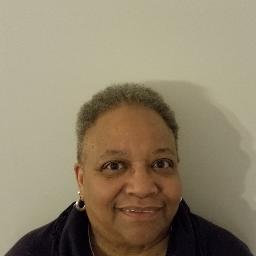
Maryland · 21 yrs exp
LCPC - Anxiety, Mood, and Trauma
Stress, Anxiety · Addictions · Trauma and abuse · Grief · +10 more
Read profile
Maryland · 8 yrs exp
LCPC in Maryland - stress and addiction work
Stress, Anxiety · Addictions · Trauma and abuse · Depression · +5 more
Read profile
Maryland · 24 yrs exp
LCPC in Maryland - mood and trauma work
Stress, Anxiety · Trauma and abuse · Self esteem · Coping with life changes · +9 more
Read profile
Maryland · 22 yrs exp
LCSW-C in Maryland - Stress and trauma focus
Stress, Anxiety · Addictions · Trauma and abuse · Grief · +10 more
Read profile
Maryland · 10 yrs exp
LCPC - Stress, trauma, relationships
Stress, Anxiety · Relationship · Family · Trauma and abuse · +9 more
Read profile
Maryland · 16 yrs exp
LCPC focused on trauma and mood concerns
Stress, Anxiety · Trauma and abuse · Grief · Anger · +10 more
Read profile
Maryland · 7 yrs exp
LCPC in Maryland - stress and relationship work
Stress, Anxiety · Family · Self esteem · Depression · +9 more
Read profile
Maryland · 20 yrs exp
Licensed Clinical Professional Counselor - stress and mood concerns
Stress, Anxiety · Family · Grief · Self esteem · +9 more
Read profile
Maryland · 24 yrs exp
LCSW-C in Maryland - Stress, Anxiety, Addictions
Stress, Anxiety · Addictions · Relationship · Family · +1 more
Read profile
Maryland · 20 yrs exp
LCSW-C licensed clinician focused on trauma and mood issues
Stress, Anxiety · Trauma and abuse · Grief · Depression · +11 more
Read profileOnline therapy has become an accessible option for many Maryland residents, offering a way to connect with licensed counselors and therapists from home, a workplace, or another personal setting. State regulations permit many types of remote services, and clinicians who practice across Maryland must follow state licensing rules that govern practice, ethics, and professional standards. You will find a range of licensed professionals offering telehealth-style sessions by video or phone, as well as hybrid models that combine occasional in-person visits with remote care. When you review therapist profiles on this site, you can see the credentials they list, their stated areas of focus, and the approaches they use. Because regulations and practice norms can change, it is useful to confirm details such as license status and practice locations directly with the therapist or the appropriate Maryland licensing board.
The rules that apply to remote counseling in Maryland are designed to protect the public while allowing flexibility in how services are delivered. Telehealth standards address elements like consent for remote sessions, record keeping, and professional boundaries. If you are considering online therapy, you can expect licensed clinicians to follow these professional expectations. Some providers may also note the platforms or technologies they use to connect, and you can ask about technical requirements before scheduling an introductory conversation.
Online therapy offers practical benefits that fit many people’s lives across Maryland’s urban, suburban, and rural communities. You may save travel time and reduce the need to coordinate childcare or leave work early. For those who live farther from major metropolitan centers, remote sessions can broaden the pool of clinicians you can consider, making it easier to find someone who shares your cultural background, speaks your language, or has experience with the issues you want to address. Many people find the ability to join sessions from a quiet location at home helps maintain consistency in care during busy periods, relocations, or during weather-related disruptions.
Online sessions can support continuity of care when life circumstances change. If you move within Maryland or change jobs, remote options can make it simpler to continue working with the same counselor. Online formats also allow you to explore different therapeutic approaches and match session styles to your comfort level. While not every therapeutic service is suited to every concern, many people experience meaningful progress with remote counseling and find it a practical alternative to in-person care.
Maryland online therapists work with a wide spectrum of concerns across the lifespan. You can find counselors who list experience helping with anxiety, depression, relationship and family challenges, grief and loss, life transitions such as career changes or parenting adjustments, and stress related to school or work. Many clinicians also note work with trauma-related symptoms, adjustment disorders, and issues tied to identity, cultural stress, or minority stress. If you are coping with concerns related to substance use, behavioral patterns, or co-occurring conditions, profiles typically indicate whether a therapist focuses on those areas.
On profile pages you will see a variety of approaches that therapists list. Some clinicians describe cognitive behavioral therapy principles, others mention psychodynamic perspectives, and some list mindfulness-based practices. You may also find therapists who list EMDR among their approaches or who describe integration of multiple methods. Listing an approach does not necessarily indicate particular certifications or formal credentials in that method. When a modality is important to your decision-making, you can ask the clinician how they apply it in sessions and what you might expect.
Verifying a therapist’s license is an important step you can take to confirm that a clinician is authorized to practice in Maryland. The state maintains licensing boards for different professions, including counseling, social work, marriage and family therapy, and psychology. You can search the relevant Maryland licensing board’s online license verification tool by entering a practitioner’s name or license number. These public records typically show whether a license is active, the license type, and any recorded disciplinary actions or restrictions. If you are unsure which board applies, therapists often list credential initials such as LPCC, LCSW-C, LMFT, PsyD, or PhD on their profile, which can help you identify the appropriate board to contact.
When you review license records, confirm that the license covers the service you need and that the status is active. You can also note the license issuance and renewal dates, and whether any public orders or consumer alerts appear on file. If you have questions that the public portal does not answer, the licensing board usually provides contact information for phone or email inquiries. Doing this due diligence gives you a clearer picture of a clinician’s professional standing in Maryland before you begin sessions.
Getting started begins with clarifying what you want from therapy. Think about the main concerns you want to address, whether short-term problem solving or longer-term exploration feels right, and whether you prefer a counselor who focuses on certain approaches or populations. Use the directory profiles to compare stated areas of focus, languages spoken, educational background, and the approaches therapists list. Profiles often include short bios that describe how a clinician frames their work, which can help you gauge fit. Reach out to a few therapists whose profiles resonate with you to ask about their approach, how they structure sessions, average session length, fees, and whether they accept your insurance or offer sliding-scale options.
When you contact a therapist, you might ask about their experience with the issues you face and how they tailor their approach to different clients. You can also inquire about session format - for example, whether they primarily use video or phone - and any technical considerations. It is reasonable to ask how they measure progress and what a typical course of sessions looks like for a concern like yours. Trust your response to the clinician as you assess comfort and rapport; the relationship you build is a central element of effective counseling. Finally, practical matters such as scheduling preferences, insurance or fee details, and policies around cancellations are important points to clarify early on so you understand how the arrangement will work.
Choosing an online therapist in Maryland is a personal process and one that benefits from thoughtful research and clear questions. Use the directory to learn about licensed clinicians, read profile descriptions, and reach out to those whose background and approach align with your needs. Taking small steps to verify credentials and ask targeted questions can help you connect with a counselor who feels like a good fit for your goals.
Addictions
818 therapists
ADHD
751 therapists
Anger
998 therapists
Chronic Illness
426 therapists
Control Issues
762 therapists
Depression
1340 therapists
Grief
1115 therapists
Guilt and Shame
1055 therapists
Isolation / Loneliness
1009 therapists
Midlife Crisis
701 therapists
Mood Disorders
910 therapists
Panic Disorder and Panic Attacks
825 therapists
Post-Traumatic Stress
953 therapists
Postpartum Depression
491 therapists
Self Esteem
1302 therapists
Sleeping Disorders
435 therapists
Social Anxiety and Phobia
978 therapists
Stress & Anxiety
1427 therapists
Trauma and Abuse
1192 therapists
Abandonment
732 therapists
Aging and Geriatric Issues
531 therapists
Attachment Issues
787 therapists
Blended Family Issues
620 therapists
Body Image
554 therapists
Career
851 therapists
Caregiver Issues and Stress
818 therapists
Codependency
768 therapists
Communication Problems
1142 therapists
Compassion Fatigue
761 therapists
Coping with Life Changes
1218 therapists
Divorce
875 therapists
Family
1112 therapists
Family of Origin Issues
639 therapists
Forgiveness
993 therapists
Hospice and End-of-Life Counseling
376 therapists
Life Purpose
1048 therapists
Money and Financial Issues
488 therapists
Parenting
957 therapists
Pregnancy
355 therapists
Relationship
1244 therapists
Self-Love
1022 therapists
Workplace Issues
794 therapists