01
- Acceptance and Commitment Therapy
- Cognitive Behavioral Therapy
- Mindfulness Therapy
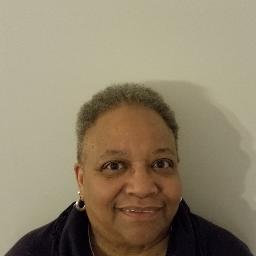
About Annette
LCPC Dr. Annette Burns Porter is licensed in Maryland and has 21 years of clinical experience. She helps people with stress, anxiety, addictions, trauma and abuse, grief, depression, and relationship and intimacy-related concerns using collaborative, client-led methods.
Dr. Porter works in a way that centers the client's own experience. She frames therapy as a partnership and helps people identify practical changes that improve relationships and day-to-day functioning. She uses several approaches to match what each person needs and emphasizes working toward concrete goals.
Her background includes work in both inpatient and outpatient settings across the lifespan and with culturally diverse people. She draws on education in counseling psychology and clinical psychology to inform her practice. Her listed specialties also include bipolar disorder, eating concerns, anger, self-esteem, and coping with life changes.
Additional focus areas include aging and geriatric issues, blended family concerns, codependency, communication problems, drug and alcohol addiction, midlife transition, veteran and armed forces issues, mood disorders, postpartum depression, post-traumatic stress, social anxiety and phobia, women's issues, and young adult issues.
Dr. Porter describes her approach as integrative and responsive to individual needs. She provides trauma-informed treatment and works with people toward clearer communication, more manageable routines, and measurable progress on goals.
02
Therapeutic approaches used in remote work
Acceptance and Commitment Therapy (ACT) helps people clarify values and take small actions that fit those values. It can be useful for anxiety, life changes, and problems that involve avoidance.Cognitive Behavioral Therapy (CBT) focuses on identifying unhelpful thoughts and testing new behaviors. It is often used for anxiety, depression, and mood regulation.
Mindfulness Therapy involves simple attention and awareness practices to reduce reactivity and improve focus. It can help with stress, emotional regulation, and coping after trauma.
Finding the right approach is part of the work. The therapist will collaborate with the client to choose or combine methods based on symptoms, goals, and preferences. That process may shift as needs change.
Session logistics are not described in the biography, so confirm current online session options before booking. Online work can make it easier to fit short check-ins into a busy day, avoid travel time, or use audio-only when video is impractical. Licensed professionals can adapt ACT, CBT, and mindfulness exercises for remote sessions so people can practice skills between meetings.
03
Areas of expertise
Also works with
Additional focus areas
Therapeutic approaches
Experience
21+ years
Listed in
Maryland
Languages
English
04
Frequently asked questions
What kinds of concerns does she address?
She works with stress, anxiety, addictions, trauma and abuse, grief, depression, relationship and intimacy-related issues, and related concerns such as eating problems and anger.
What is her therapeutic style?
She describes a collaborative, client-centered approach and uses integrative methods to match an individual's needs and goals.
How much clinical experience does she have?
She has 21 years of experience working in both inpatient and outpatient settings.
What are her credentials and location?
She is an LCPC licensed in Maryland.
Which languages are supported and can international clients be seen?
Sessions are offered in English. International clients are not currently accepted.
What formats are offered for sessions?
Session formats are not specified in the biography; confirm current session options before booking.
How are fees handled?
Cost varies with location and sessions use a subscription that can be canceled at any time.
How do I begin working with her?
Select the See online therapy options button, complete a short matching questionnaire, and schedule a first session.
Online talk therapy is not emergency care. If you are in danger, call 911, or call or text 988.