
Dr. Christina Collins
LCMHCNorth Carolina · 16 yrs exp
Dr. Christina Collins LCMHC - relationship and emotional concerns
Stress, Anxiety · Relationship · Trauma and abuse · Grief · +7 more
Read profileTherapist listings are provided by BetterHelp. We will earn a commission at no additional cost to you if you use our links to purchase.
This page lists therapists who focus on veterans and military-related concerns. Browse the listings below to compare approaches, credentials, languages, and areas of focus.
North Carolina · 16 yrs exp
Dr. Christina Collins LCMHC - relationship and emotional concerns
Stress, Anxiety · Relationship · Trauma and abuse · Grief · +7 more
Read profile
Pennsylvania · 12 yrs exp
LPCC LMHC focusing on mood and relationships
Stress, Anxiety · Relationship · Self esteem · Depression · +11 more
Read profile
Texas · 10 yrs exp
LPC in Texas focused on anxiety and relationships
Stress, Anxiety · Relationship · Family · Depression · +14 more
Read profile
Florida · 20 yrs exp
LMHC in Florida - stress anxiety grief focus
Stress, Anxiety · Grief · Self esteem · Depression · +9 more
Read profile
California · 20 yrs exp
LCSW focused on stress and relationships
Stress, Anxiety · Relationship · Family · Parenting · +15 more
Read profile
Colorado · 20 yrs exp
LCSW - Adult mental health and trauma
Stress, Anxiety · Trauma and abuse · Grief · Depression · +15 more
Read profile
Michigan · 14 yrs exp
LICSW focusing on trauma and life changes
Stress, Anxiety · Addictions · Family · Trauma and abuse · +12 more
Read profile
Indiana · 25 yrs exp
LCSW focusing on stress and life challenges
Stress, Anxiety · Relationship · Grief · Self esteem · +12 more
Read profile
North Dakota · 10 yrs exp
Licensed Clinical Social Worker - mood, trauma, family concerns
Stress, Anxiety · Relationship · Family · Trauma and abuse · +10 more
Read profile
Oklahoma · 9 yrs exp
LPC - Stress, mood, and relationship concerns
Stress, Anxiety · Anger · Self esteem · Coping with life changes · +16 more
Read profile
Texas · 12 yrs exp
LPC focusing on stress and trauma
Stress, Anxiety · Trauma and abuse · Eating · Depression · +13 more
Read profile
Illinois · 30 yrs exp
Deborah Beard, LCPC - Stress and mood concerns
Stress, Anxiety · Relationship · Family · Trauma and abuse · +12 more
Read profile
Massachusetts · 30 yrs exp
LMFT, LMHC - addictions, family, trauma
Addictions · Family · Trauma and abuse · Grief · +16 more
Read profile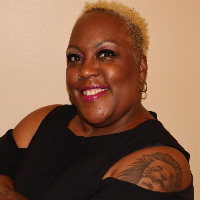
Michigan · 15 yrs exp
LMSW, LISW - stress, trauma, relationship concerns
Stress, Anxiety · Trauma and abuse · Grief · Depression · +11 more
Read profile
New Mexico · 4 yrs exp
LCSW focused on relationship and mood concerns
Stress, Anxiety · Relationship · Trauma and abuse · Intimacy-related issues · +11 more
Read profile
Texas · 15 yrs exp
LPC working with addictions and trauma
Addictions · Trauma and abuse · Grief · Anger · +10 more
Read profile
Washington · 50 yrs exp
LMHC focused on trauma and resilience
Stress, Anxiety · Trauma and abuse · Intimacy-related issues · Self esteem · +15 more
Read profile
Ohio · 14 yrs exp
LIMFT focusing on anxiety, addiction, relationships
Stress, Anxiety · Addictions · Relationship · Family · +9 more
Read profile
Louisiana · 5 yrs exp
LPC, LMFT - stress and relationship focus
Stress, Anxiety · Relationship · Family · Grief · +15 more
Read profile
Texas · 20 yrs exp
LPC in Texas - anxiety, trauma, life changes
Stress, Anxiety · Trauma and abuse · Self esteem · Coping with life changes · +16 more
Read profile
Illinois · 18 yrs exp
LCPC in Illinois - stress, trauma, addictions
Stress, Anxiety · Addictions · Trauma and abuse · Grief · +12 more
Read profile
Texas · 30 yrs exp
LPC in Texas focusing on addiction and mood concerns
Stress, Anxiety · Addictions · Relationship · Family · +13 more
Read profile
Virginia · 10 yrs exp
LICSW LCSW - Stress, Relationship, and Life Changes
Stress, Anxiety · Relationship · Family · Self esteem · +7 more
Read profile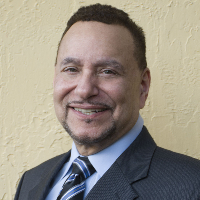
Florida · 30 yrs exp
LMHC and LMFT - stress, trauma, relationships
Stress, Anxiety · Addictions · Trauma and abuse · Grief · +14 more
Read profileBeing a veteran or a family member of someone who served often means living with experiences that are different from civilian life. Military service can shape daily routines, relationships, and the way you respond to stress. Service-related experiences can include exposure to combat, long separations from loved ones, strict chains of command, and frequent relocations. After service, those experiences can continue to influence how you think, feel, and connect with others. Some people find transitions out of the military - such as retiring, being medically discharged, or returning to civilian jobs - bring unexpected emotional, social, or occupational challenges.
You may also face practical stressors that intersect with emotional needs, like changes in physical health, navigating benefits systems, or managing job retraining. Cultural factors tied to military life - emphasis on self-reliance, stoicism, and mission-focused priorities - can make it harder to ask for help. Therapy for veterans aims to address the whole picture: the direct impact of service experiences, the ripple effects in relationships and work, and the skills needed to manage daily life after service. In therapy you can explore how your service shaped your values and identity, and work toward ways to feel more connected and effective in your current life.
Recognizing when to seek help is a personal decision, but there are common signs that therapy could be helpful. You might notice persistent or intrusive memories of service that affect sleep, concentration, or mood. Intense startle reactions, avoidance of places or topics that remind you of service, or recurring nightmares can interfere with daily functioning. Emotional patterns like anger that feels hard to control, numbness or withdrawal from close people, or difficulty trusting others may point to underlying issues related to service.
Other signs include trouble with relationships, increasing conflict at home, or repeated problems at work that feel tied to stress responses. You may find that day-to-day worries or alcohol and substance use are being used to manage distress. Even if symptoms do not match a specific label, therapy can help you unpack what is happening and develop practical strategies for coping. Family members often benefit from support too, as they can learn communication strategies and ways to respond to changes in a loved one who served.
When you begin therapy that focuses on veterans' needs, the first few sessions often center on building rapport and mapping out concerns. A therapist typically asks about your service history, current stressors, relationships, and goals for treatment. You and the therapist will work together to set priorities, whether that means addressing trauma-related symptoms, improving sleep and mood, rebuilding relationships, or developing vocational strategies. Sessions are usually collaborative - you can expect to discuss what has helped and what has not, and to set practical, measurable steps toward change.
Therapy may include a mix of talking, skill-building, and structured exercises. You might practice relaxation or grounding techniques to manage intense emotions, learn communication skills to reconnect with family, or develop routines that support sleep and daily functioning. Some sessions focus on narrative work, helping you process memories or transitions, while others emphasize present-day coping and problem solving. The pace and focus should reflect your comfort level, and you can raise concerns about timing, topics, or techniques at any point. Therapy is a process; it often involves experimenting with different tools and seeing what aligns with your values and life demands.
Therapists who work with veterans use a range of approaches to address the varied impacts of service. Some emphasize trauma-focused strategies that help reduce the intensity of distressing memories through structured techniques, while others emphasize skill-based therapies that target mood, relationships, and functioning. There are also therapists who blend different approaches to tailor work to your needs, combining emotional processing with practical coping strategies.
It is common to find therapists who list cognitive-behavioral approaches among their methods, which focus on identifying patterns of thinking and behavior that contribute to distress and experimenting with alternatives. Other therapists may list narrative or meaning-oriented approaches that help you make sense of transitions and identity shifts after service. You will also see therapists who list mindfulness-based techniques among their approaches, which can help with emotional regulation and attention. Some therapists list EMDR among their approaches; that is one of several methods some clinicians use to address distressing memories. When reviewing profiles, you can learn how a therapist describes their approach and how they might integrate different methods to match your goals.
Online therapy offers a way to connect with a therapist from your home, workplace, or another comfortable environment. Sessions typically take place via video, phone, or text-based messaging platforms. When you choose remote work, you can focus on problems that are related to service without travel time, and you may be able to find clinicians who list experience with military culture or related focus areas beyond what is available locally. Online sessions can follow the same structure as in-person care - assessment, goal setting, and skill practice - and many therapists adapt exercises and homework to digital formats.
Privacy considerations are important when you select online care. You will want to choose a setting in which you feel able to speak freely, whether that is a parked car between errands or a quiet room at home. Some people find that the convenience of online sessions makes it easier to maintain continuity of care during life transitions, such as moves or changes in work schedules. Keep in mind that not all matters require remote therapy and some issues may benefit from in-person supports; you can discuss modality preferences with a therapist when reviewing profiles.
Choosing a therapist is a personal process, and a good fit depends on how well a clinician's style, approaches, and focus align with your needs. Start by reading therapist profiles to notice whether they mention work with veterans, military families, trauma, or transitions related to service. Pay attention to how they describe their approaches and what languages or cultural competencies they list. Some therapists emphasize practical strategies and skills for daily functioning, while others emphasize emotional processing and narrative work - think about which orientation feels most helpful to you.
Consider what matters most in the therapeutic relationship. You might prioritize a therapist who understands military culture, or someone who lists experience working with issues like trauma symptoms, substance use, or relationship repair. If logistical details matter to you, check for information about therapy formats, session length, and whether they offer video or phone options. When you contact a therapist, you can ask about how they approach work with veterans, how they structure sessions, and how they measure progress. Trust your instincts about rapport - feeling heard and respected in early contacts is often an important indicator of a productive match.
In the end, therapy for veterans is about finding a clinician who helps you move toward clearer goals and better day-to-day functioning. Whether you explore options online or in person, take the time to read profiles, note approaches that resonate, and prioritize a collaborative relationship. Over time you and your therapist can adjust strategies to match changing needs, helping you build resilience, improve relationships, and create a life that aligns with your values after service.
Alabama
20 therapists
Alaska
2 therapists
Arizona
16 therapists
Arkansas
8 therapists
California
147 therapists
Colorado
54 therapists
Connecticut
16 therapists
District of Columbia
2 therapists
Florida
153 therapists
Georgia
62 therapists
Hawaii
5 therapists
Idaho
8 therapists
Illinois
58 therapists
Indiana
27 therapists
Iowa
6 therapists
Kansas
13 therapists
Kentucky
17 therapists
Louisiana
20 therapists
Maine
2 therapists
Maryland
41 therapists
Massachusetts
28 therapists
Michigan
41 therapists
Minnesota
19 therapists
Mississippi
13 therapists
Missouri
38 therapists
Montana
5 therapists
Nebraska
9 therapists
Nevada
5 therapists
New Hampshire
4 therapists
New Jersey
38 therapists
New Mexico
6 therapists
New York
83 therapists
North Carolina
65 therapists
North Dakota
4 therapists
Ohio
45 therapists
Oklahoma
17 therapists
Oregon
17 therapists
Pennsylvania
45 therapists
Rhode Island
2 therapists
South Carolina
36 therapists
South Dakota
3 therapists
Tennessee
24 therapists
Texas
161 therapists
Utah
18 therapists
Vermont
3 therapists
Virginia
44 therapists
Washington
23 therapists
West Virginia
1 therapist
Wisconsin
20 therapists
Wyoming
3 therapists