
Kory Wilson
LCMHCUtah · 11 yrs exp
LCMHC - Stress, mood, and coping support
Stress, Anxiety · Family · Self esteem · Depression · +5 more
Read profileTherapist listings are provided by BetterHelp. We will earn a commission at no additional cost to you if you use our links to purchase.
Welcome to our directory of online therapists serving Utah. All listed therapists are licensed in Utah. Explore the profiles below to review specialties, therapeutic approaches, languages, and professional experience.
Utah · 11 yrs exp
LCMHC - Stress, mood, and coping support
Stress, Anxiety · Family · Self esteem · Depression · +5 more
Read profile
Utah · 23 yrs exp
LPCC and LCMHC working with adult concerns
Stress, Anxiety · Addictions · Family · Trauma and abuse · +12 more
Read profile
Utah · 4 yrs exp
LCSW - Stress, trauma, mood concerns
Stress, Anxiety · Trauma and abuse · Grief · Self esteem · +1 more
Read profile
Utah · 13 yrs exp
LMHC in Utah focusing on anxiety and addiction
Stress, Anxiety · Addictions · LGBT · Self esteem · +8 more
Read profile
Utah · 35 yrs exp
LMHC, LCMHC - relationships and trauma
Relationship · Family · Trauma and abuse · Intimacy-related issues · +16 more
Read profile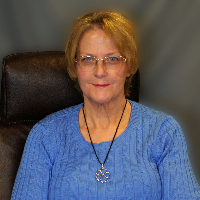
Utah · 25 yrs exp
LCSW focusing on ACT and CBT approaches
Stress, Anxiety · Family · Trauma and abuse · Anger · +15 more
Read profile
Utah · 22 yrs exp
LPC, LCMHC - addictions and relationship work
Addictions · Relationship · Trauma and abuse · Stress, Anxiety · +11 more
Read profile
Utah · 8 yrs exp
LCMHC in Utah focusing on relationships and trauma
Stress, Anxiety · Relationship · Trauma and abuse · Self esteem · +14 more
Read profile
Utah · 11 yrs exp
Licensed counselor focusing on family and trauma issues
Family · Trauma and abuse · Anger · Self esteem · +10 more
Read profile
Utah · 7 yrs exp
LCSW helping with addictions and life changes
Addictions · Grief · Self esteem · Depression · +9 more
Read profile
Utah · 19 yrs exp
UT Psychologist focused on anxiety and relationships
Stress, Anxiety · Relationship · Trauma and abuse · Self esteem · +14 more
Read profile
Utah · 5 yrs exp
LCMHC in Utah - Anxiety and mood disorders
Stress, Anxiety · Addictions · Trauma and abuse · Self esteem · +8 more
Read profile
Utah · 7 yrs exp
LCSW in Utah focused on stress and parenting
Stress, Anxiety · Parenting · Self esteem · Depression · +8 more
Read profile
Utah · 12 yrs exp
LCSW focused on grief and life changes
Grief · Self esteem · Coping with life changes · Compassion fatigue · +14 more
Read profile
Utah · 50 yrs exp
LCSW focused on stress and addiction
Stress, Anxiety · Intimacy-related issues · Self esteem · Depression · +7 more
Read profile
Utah · 6 yrs exp
LCSW - stress, trauma, addiction focused
Stress, Anxiety · Addictions · Trauma and abuse · Self esteem · +7 more
Read profile
Utah · 3 yrs exp
LCSW focusing on trauma and relationships
Relationship · Family · Trauma and abuse · Intimacy-related issues · +1 more
Read profile
Utah · 15 yrs exp
LCSW - Stress, anxiety, relationships
Stress, Anxiety · Relationship · Grief · Self esteem · +1 more
Read profileOnline therapy has become a widely used option across Utah, reaching people in urban centers, suburban neighborhoods, and rural communities across the state. In recent years, regulatory frameworks have clarified how licensed mental health professionals may offer services remotely, and many therapists include virtual sessions as part of their practice. When you search for a therapist on this site you will find profiles that indicate whether a clinician lists teletherapy among their offered formats, as well as the types of licensure they hold. Because regulations can vary by profession and change over time, it is useful to understand the basic landscape: therapists licensed in Utah are governed by state oversight that defines who may practice in the state and how services may be provided over distance.
For many people in Utah, online therapy makes it possible to connect with clinicians who have experience relevant to specific concerns without the need for long commutes. You will also find clinicians who note which populations they work with and which modalities they use. When reviewing profiles, pay attention to the listed approaches, languages spoken, and stated focus areas so you can identify therapists whose background aligns with what you are seeking. The profiles are intended to help you narrow your search, not to replace a direct conversation with a clinician about fit and goals.
If you live in a rural part of Utah or have a schedule that makes in-person visits difficult, online therapy can reduce travel time and offer more predictable logistics for regular sessions. You may find it easier to maintain continuity of care when weather, work demands, or family responsibilities make in-office visits challenging. Many people also appreciate the convenience of meeting from a familiar setting, which can help them focus on the therapeutic work.
Online therapy can broaden your options when you are looking for a therapist with a particular specialty, language capability, or therapeutic focus. For example, you might locate clinicians who list cognitive behavioral approaches, psychodynamic work, family and couples methods, or who list EMDR among their approaches. Being able to compare profiles allows you to prioritize clinical interests and practical considerations at the same time. It is also possible to involve family members or partners in sessions when that is clinically appropriate and agreed upon, since virtual formats can make coordination easier for multiple participants.
Therapists offering online services in Utah commonly work with a wide range of concerns. You can expect to find clinicians who list anxiety, depression, grief, life transitions, relationship struggles, parenting challenges, stress management, and adjustment-related difficulties among the issues they address. Many therapists also indicate experience working with trauma-related symptoms, chronic health concerns, and substance-related problems, while making clear in their profiles the approaches they use to support those issues.
When you review profiles, pay attention to how a therapist describes their areas of focus and the language they use to explain what they do. Some clinicians note a preference for shorter-term, skills-based work while others describe longer-term exploration of patterns and relational dynamics. You will also find therapists who list culturally informed practices or who note experience working with specific age groups, communities, or life stages. Those details can help you match with a clinician whose experience lines up with your priorities.
Before committing to therapy it is helpful to confirm that a therapist holds a current license in Utah. The state maintains an online licensure lookup where you can search by name or license number to view licensure category, status, and any public disciplinary records. When you look up a clinician, note the exact license type listed, such as licensed clinical social worker, licensed professional counselor, marriage and family therapist, or psychologist, and verify that the license is active and issued by the Utah oversight body for that profession.
If you have questions about the information you find online, you can contact the state board directly to request clarification. When speaking with a clinician, you may also ask for their license number and the state that issued the license, so you can perform your own lookup. Keeping a record of the license verification helps you be informed about professional credentials. Remember that seeing a license listed on a profile is not the same as a full license check, so taking a moment to verify details through the state resource adds an important layer of confidence to your search.
Starting therapy online begins with clarifying what you want to accomplish and what matters to you in a therapeutic relationship. Reflect on whether you prefer a therapist who emphasizes symptom-focused strategies, relational exploration, or a combination of approaches. Look for profiles that list the approaches and populations a clinician works with, such as therapists who list mindfulness-based techniques, those who list cognitive behavioral approaches, and those who list family systems work among their approaches. Noting languages spoken and cultural competence statements can also be important if you want to work with someone who shares or understands your cultural background.
When you connect with a clinician, prepare a few questions to help you assess fit. You might ask about how they typically structure sessions, what a typical first several visits look like, how they measure progress, and what you can expect in terms of session length and frequency. Discuss practical matters like fees, payment methods, and whether they accept your insurance or offer a sliding scale. Also consider logistical details such as which technology or platform they use for online sessions and what kind of technical setup you will need at your end. A brief initial conversation can give you a sense of rapport and whether the clinician’s communication style suits you.
Choosing the right therapist can take time and may involve trying one or more clinicians before finding the best fit. Trust your sense of comfort with how the clinician listens and responds to your concerns. It is reasonable to prioritize therapists who clearly describe their approach and who thoughtfully explain how they work with issues similar to yours. Focus on comparing specialties, approaches, credentials, languages, and experience as you narrow your options, and remember that the profile details on this site are a starting point for a conversation.
Before your first session, choose a quiet, free-from-distraction room where you can speak openly in a safe setting. Test your device and internet connection ahead of time, and make sure you have a plan for interruptions. Have a way to handle payments and any required consent forms, and be ready to share your primary concerns and goals so the clinician can tailor the initial meetings. Preparing a short list of symptoms, stressors, and recent life events can make the first session more focused and productive.
Finally, give yourself permission to evaluate the fit after a few sessions. Good therapeutic work depends on a collaborative relationship, and finding a clinician whose approach and style resonate with you matters for lasting progress. Use the directory to compare profiles and to initiate those first conversations with therapists who match the qualities you value in a mental health professional.
Addictions
818 therapists
ADHD
751 therapists
Anger
998 therapists
Chronic Illness
426 therapists
Control Issues
762 therapists
Depression
1340 therapists
Grief
1115 therapists
Guilt and Shame
1055 therapists
Isolation / Loneliness
1009 therapists
Midlife Crisis
701 therapists
Mood Disorders
910 therapists
Panic Disorder and Panic Attacks
825 therapists
Post-Traumatic Stress
953 therapists
Postpartum Depression
491 therapists
Self Esteem
1302 therapists
Sleeping Disorders
435 therapists
Social Anxiety and Phobia
978 therapists
Stress & Anxiety
1427 therapists
Trauma and Abuse
1192 therapists
Abandonment
732 therapists
Aging and Geriatric Issues
531 therapists
Attachment Issues
787 therapists
Blended Family Issues
620 therapists
Body Image
554 therapists
Career
851 therapists
Caregiver Issues and Stress
818 therapists
Codependency
768 therapists
Communication Problems
1142 therapists
Compassion Fatigue
761 therapists
Coping with Life Changes
1218 therapists
Divorce
875 therapists
Family
1112 therapists
Family of Origin Issues
639 therapists
Forgiveness
993 therapists
Hospice and End-of-Life Counseling
376 therapists
Life Purpose
1048 therapists
Money and Financial Issues
488 therapists
Parenting
957 therapists
Pregnancy
355 therapists
Relationship
1244 therapists
Self-Love
1022 therapists
Workplace Issues
794 therapists