01
- Attachment-Based Therapy
- Cognitive Behavioral Therapy
- Mindfulness Therapy
About Benjamin
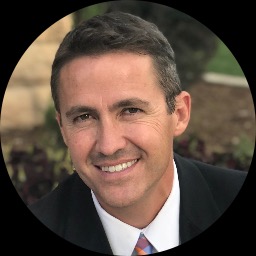
Benjamin Nielson, Licensed Clinical Social Worker (LCSW) licensed in Utah, has six years in clinical practice. He works with adults on stress, anxiety, addiction, trauma and related concerns using practical, relationship-focused methods.
Nielson describes his approach as flexible and problem-focused. He draws on Attachment-Based Therapy, Cognitive Behavioral Therapy (CBT), Emotionally-Focused Therapy (EFT), Mindfulness Therapy, Motivational Interviewing, and trauma-focused methods. Sessions center on identifying what is happening now and choosing methods that fit the immediate need.
His background includes work on the Navajo Nation in drug and suicide prevention. There he helped develop experiential programs for at-risk youth, such as summer camps and equine activities. That work influenced his emphasis on culturally aware, trauma-informed care.
He later worked as a medical social worker in a hospital and in homecare and hospice settings. Those roles included arranging resources and crisis counseling in emergency care. That experience shaped his practice with grief, end-of-life matters, and acute mental health needs.
In session he aims to match the method to the moment. He explains techniques plainly and practices mindfulness and motivational methods alongside cognitive strategies. The focus is on concrete steps people can try between sessions to manage anxiety, cravings, mood shifts, or relationship strains.
Nielson lists many common concerns he addresses, including depression, panic attacks, codependency, caregiver stress, chronic illness and grief. Sessions are conducted in English and he does not take international clients. To begin, clients follow the platform intake steps and schedule an initial appointment.
02
Using approaches like CBT, EFT and mindfulness in online care
Benjamin Nielson uses Cognitive Behavioral Therapy to help people identify unhelpful thinking and try practical alternatives. CBT is often used for anxiety, mood problems and panic attacks because it focuses on specific thoughts and behaviors to change. He also applies Emotionally-Focused Therapy to address how emotions affect close relationships and interaction patterns. EFT helps people notice emotional responses and practice new ways of connecting in strained relationships. Mindfulness Therapy appears in sessions as simple attention and breathing practices to reduce reactivity and improve focus. Mindfulness can help with stress, cravings, and coping with chronic pain. Finding the right mix of methods is part of the work. The therapist collaborates with each person to decide which approaches fit their goals and what to try first. This is adjusted as progress is made. Confirm current session options before booking, as specific formats are not listed here. Online care can make it easier to fit therapy into a busy week, allow shorter check-ins when needed, and reduce travel time. Ask about session length and scheduling when you complete the intake questionnaire and set the first appointment.03
Areas of expertise
Also works with
Additional focus areas
Therapeutic approaches
Experience
6+ years
Listed in
Utah
Languages
English
04
Frequently asked questions
What issues does he work on?
He works on stress, anxiety, addictions, trauma and related concerns such as depression, grief, and caregiver stress.
What is his therapeutic style?
He uses a flexible, moment-focused style drawing on attachment work, CBT, EFT, mindfulness and motivational interviewing.
How much clinical experience does he have?
He has six years of clinical practice experience and a longer history in related program work.
Where is he licensed and practicing?
He is a Licensed Clinical Social Worker (LCSW) licensed in Utah.
Which languages are supported?
Sessions are offered in English.
Does he work with international clients?
He does not accept international clients at this time.
How are sessions paid for?
Cost varies with location and sessions use a subscription that can be canceled at any time.
How do I start a first session?
Select the See online therapy options button, complete a short matching questionnaire, and schedule a first session.
Online talk therapy is not emergency care. If you are in danger, call 911, or call or text 988.