01
- Acceptance and Commitment Therapy
- Cognitive Behavioral Therapy
- Mindfulness techniques
About Carol
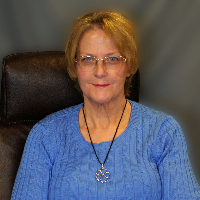
Carol Gross, LCSW, is a licensed clinical social worker in Utah with 25 years of practice. She works with stress, anxiety, mood disorders, addiction, trauma and many related concerns using approaches she describes in her own terms. Carol favors acceptance-based and cognitive methods and uses practical tools to help people change unhelpful habits and respond differently to pain.
She began her career working with data and systems before moving into behavioral health. That background shaped her interest in how behavior and information fit together. Over the years she has supported people coping with depression, bipolar concerns, anger, grief, ADHD, obsessive patterns, and challenges connected to illness or caregiving.
Carol emphasizes Acceptance and Commitment Therapy (ACT) alongside cognitive behavioral tools. She explains ACT as noticing discomfort, identifying values, and taking small steps toward meaningful action. She often uses the ACT Matrix as a hands-on exercise to name patterns and decide on workable next steps.
Mindfulness practices and skills from Dialectical Behavior Therapy (DBT) also appear in her work. She helps people build coping behaviors, improve focus, and manage intense emotion. Sessions include practical skill-building rather than only talking about feelings.
Her approach is straightforward. She helps people recognize what their pain is signaling and then tries out strategies to respond differently. The aim is increased psychological flexibility and clearer choices about what matters next.
02
How Carol uses ACT, CBT and mindfulness in online work
Acceptance and Commitment Therapy (ACT) helps people notice unpleasant thoughts and feelings and then choose actions based on personal values. It is often used for anxiety, depression, and life changes where avoidance keeps someone stuck. Cognitive Behavioral Therapy (CBT) focuses on identifying unhelpful thinking and testing new behaviors to reduce symptoms such as worry or low mood. Mindfulness Therapy teaches simple attention and breathing skills to reduce reactivity and improve focus. Finding the best approach is collaborative. The therapist will review goals, current problems, and preferences together and try methods that fit the person. Adjustments are made over time so techniques that aren’t helpful are changed. Confirm current session options before booking since formats are not listed here. Online sessions can make it easier to fit therapy into a busy week, reduce travel time, and allow shorter check-ins when schedules demand it. They also let people practice skills in everyday settings and bring real-life situations into sessions for problem solving.03
Areas of expertise
Primary focus
Also works with
Additional focus areas
Therapeutic approaches
Experience
25+ years
Listed in
Utah
Languages
English
04
Frequently asked questions
What concerns does she address?
She works with stress, anxiety, trauma and abuse, mood disorders, addictions, grief, relationship and intimacy issues, eating and sleeping problems, parenting and self-esteem, among other concerns.
What is her therapeutic style?
Her work emphasizes Acceptance and Commitment Therapy and cognitive-behavioral tools with mindfulness and DBT skills used as needed.
How much experience does she have?
She has 25 years of clinical experience in behavioral health and related fields.
What are her credentials and location?
She is an LCSW licensed in Utah.
Which languages are sessions offered in?
Sessions are offered in English.
Are international clients accepted?
She does not accept international clients at this time.
How are sessions paid for?
Cost varies with location and sessions use a subscription that can be canceled at any time.
How do I begin working with her?
Select the See online therapy options button, complete a short matching questionnaire, and schedule a first session.
Online talk therapy is not emergency care. If you are in danger, call 911, or call or text 988.