
Ian Charnley
LPC, LMHPSouth Dakota · 12 yrs exp
LPC LMHP focused on anxiety and relationship work
Stress, Anxiety · Relationship · Family · Trauma and abuse · +13 more
Read profileTherapist listings are provided by BetterHelp. We will earn a commission at no additional cost to you if you use our links to purchase.
Welcome to our directory of online therapists serving South Dakota. All therapists listed here are licensed; explore profiles to compare specialties, approaches, languages, and credentials.
South Dakota · 12 yrs exp
LPC LMHP focused on anxiety and relationship work
Stress, Anxiety · Relationship · Family · Trauma and abuse · +13 more
Read profile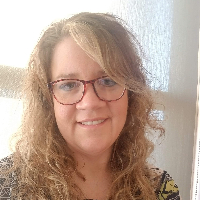
South Dakota · 12 yrs exp
LCSW focused on skills and relationships
Stress, Anxiety · Relationship · Grief · Parenting · +11 more
Read profile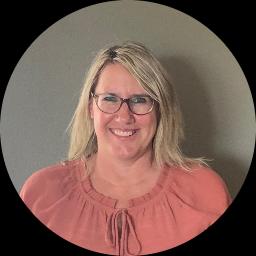
South Dakota · 24 yrs exp
Dr. Tracy Williams, MN Psychologist LP6201, SD Psychologist 419
Relationship · Parenting · Anger · Self esteem · +12 more
Read profileIf you live in South Dakota, online therapy has become a common way to connect with mental health professionals across the state. Telehealth rules and licensing frameworks shape how clinicians provide remote care, and many licensed mental health professionals now include online sessions as part of their practice. Online therapy can be delivered by clinicians with credentials such as licensed professional counselors, licensed clinical social workers, marriage and family therapists, psychologists, and medical providers who list behavioral health among their services. Each professional type has a different scope of practice and a different regulatory body, so it helps to know the credential initials in a therapist's profile and what they generally mean for the kind of work they do.
Regulation in South Dakota ensures that providers meet state requirements before listing themselves as licensed practitioners. When you use an online directory, you can read how each clinician describes their focus areas, the therapeutic approaches they list, the populations they work with, and the languages they speak. While the availability of remote care has expanded options, the most useful first step is to match the clinician's described focus and approaches to your needs so you know what to expect from the therapeutic relationship.
Online therapy offers practical advantages for people across South Dakota, particularly if you live in rural areas or far from urban centers. You can reduce travel time and avoid long commutes, which makes it easier to combine therapy with work, school, or family responsibilities. Online sessions can also increase continuity of care during life transitions such as changes in employment or relocation within the state, because you can maintain contact with the same clinician from different places within the state if their licensing and practice allow it.
Beyond convenience, many people find that remote sessions feel less intimidating than in-person visits, which may help you open up sooner. If mobility, caregiving, or chronic health concerns make it difficult to leave home, online therapy creates a practical option to access support from a clinician who lists experience with the issues you face. Technology requirements are usually minimal - a smartphone, tablet, or computer and a reliable internet connection - but checking basic technical needs before starting will help your sessions run more smoothly. Choosing a comfortable environment and establishing a consistent time for sessions encourages better results from remote work.
Therapists who offer online services in South Dakota commonly work with a wide range of concerns that affect daily life and relationships. Many people seek help for anxiety and depression, where clinicians use talk-based approaches to help you explore patterns, coping strategies, and problem-solving methods. Relationship and family concerns are another frequent focus - therapists who list family systems approaches or couples work among their approaches often help with communication, conflict resolution, and transitions such as marriage or parenting changes.
Trauma-related concerns and grief are also areas many online clinicians address. When you are exploring trauma care, you may notice clinicians listing specific approaches; for example, some therapists list EMDR among their approaches, which indicates the approach appears in their profile but does not assert a particular certification. Other common focuses include stress management, life transitions such as job changes or retirement, parenting support, substance-related challenges, and support for chronic medical conditions. Clinical psychologists and psychiatric providers may describe assessment or medication management roles, while counselors and social workers often emphasize therapy and community-based resources. Reading descriptions of focus areas and approaches will help you understand whether a clinician's work aligns with the issues you want to address.
Verifying a therapist's license is an important step before beginning work together. A licensed clinician's profile typically includes a license type and a license number or state board that issued the credential. You can use that information to look up the license through South Dakota's licensing portal or by contacting the relevant state licensing board. When you review a license record, check the clinician's license status, the type of license they hold, and whether any disciplinary actions are listed. These public records are designed to confirm that a practitioner meets state standards and to provide transparency about any formal board actions.
Beyond the state board lookup, examine the educational background and listed credentials in the therapist's profile to understand their training pathway. If a clinician lists a professional degree such as an MSW, LPC, LMFT, PsyD, PhD, or MD, those details can help you ask informed questions about clinical focus and experience. If you prefer care in a language other than English, look for clinicians who list language skills. If any part of a license record is unclear, you can contact the state licensing board directly for guidance about interpreting public information. This step helps you feel confident that the clinician meets South Dakota's requirements for practice.
Starting with online therapy involves several practical and personal considerations that help you find the best fit. Begin by clarifying what you hope to achieve in therapy - relief from a particular symptom, improved relationships, coping strategies for stress, or support through a life change. Use the directory to filter or scan profiles for clinicians who list relevant focus areas and approaches. When you contact a clinician to ask initial questions, you can ask about their therapeutic style, the approaches they list, sample session length, typical homework or between-session work, fee structure, and whether they accept your form of payment or insurance. These are operational details that help you make a practical decision before committing to a series of sessions.
Consider personal fit as you review profiles. Read the clinician's description for information about populations they work with, such as adolescents, adults, couples, or families, and note any cultural, racial, or identity-related expertise they describe. A good match often depends on feeling understood and respected; some people prioritize shared life experience or cultural background, while others focus on therapeutic approach or clinical focus. Plan to treat the first session as an opportunity to assess rapport and communication style. If you feel comfortable, discuss short-term goals and how progress will be measured so you have a clear working plan. Additionally, prepare your technology and environment by choosing a quiet, comfortable location and testing your device and connection in advance so sessions proceed without avoidable interruptions.
To get the most from online therapy, adopt a few practical habits that help sessions stay productive. Set a consistent appointment time that fits your schedule and guard that time similarly to an in-person appointment. Create a physical space where you can talk freely without interruptions, and let household members know you should not be disturbed during that period. Use headphones when helpful to preserve personal privacy and focus. Keep a short list of topics or goals you want to cover in each session so you and your clinician can track progress over time. If you are using insurance, verify what telehealth services are covered and save any necessary documentation.
Remember that therapeutic change is a process, and it can take time to see shifts in patterns or relationships. If an approach listed in a clinician's profile resonates with you, you can ask how they typically use that approach in sessions and how it might apply to your situation. If you do not feel a comfortable connection after a few sessions, it is reasonable to look for another clinician whose style or focus feels like a better match. A thoughtful directory search, attention to credentials and focus areas, and clear communication with the clinician you choose will help you make the most of online therapy in South Dakota.
Addictions
818 therapists
ADHD
751 therapists
Anger
998 therapists
Chronic Illness
426 therapists
Control Issues
762 therapists
Depression
1340 therapists
Grief
1115 therapists
Guilt and Shame
1055 therapists
Isolation / Loneliness
1009 therapists
Midlife Crisis
701 therapists
Mood Disorders
910 therapists
Panic Disorder and Panic Attacks
825 therapists
Post-Traumatic Stress
953 therapists
Postpartum Depression
491 therapists
Self Esteem
1302 therapists
Sleeping Disorders
435 therapists
Social Anxiety and Phobia
978 therapists
Stress & Anxiety
1427 therapists
Trauma and Abuse
1192 therapists
Abandonment
732 therapists
Aging and Geriatric Issues
531 therapists
Attachment Issues
787 therapists
Blended Family Issues
620 therapists
Body Image
554 therapists
Career
851 therapists
Caregiver Issues and Stress
818 therapists
Codependency
768 therapists
Communication Problems
1142 therapists
Compassion Fatigue
761 therapists
Coping with Life Changes
1218 therapists
Divorce
875 therapists
Family
1112 therapists
Family of Origin Issues
639 therapists
Forgiveness
993 therapists
Hospice and End-of-Life Counseling
376 therapists
Life Purpose
1048 therapists
Money and Financial Issues
488 therapists
Parenting
957 therapists
Pregnancy
355 therapists
Relationship
1244 therapists
Self-Love
1022 therapists
Workplace Issues
794 therapists