
Brittany Elledge
LPCC, LMHCPennsylvania · 12 yrs exp
LPCC LMHC focusing on mood and relationships
Stress, Anxiety · Relationship · Self esteem · Depression · +11 more
Read profileTherapist listings are provided by BetterHelp. We will earn a commission at no additional cost to you if you use our links to purchase.
Welcome to our directory of online therapists serving Pennsylvania. All therapists listed here hold a valid Pennsylvania license. Explore the profiles below to compare approaches, credentials, languages, and focus areas.
Pennsylvania · 12 yrs exp
LPCC LMHC focusing on mood and relationships
Stress, Anxiety · Relationship · Self esteem · Depression · +11 more
Read profile
Pennsylvania · 20 yrs exp
Licensed Clinical Social Worker - relationship and life concerns
Relationship · Family · Parenting · Self esteem · +8 more
Read profile
Pennsylvania · 40 yrs exp
LCSW focusing on stress and mood concerns
Stress, Anxiety · Self esteem · Career · Depression · +8 more
Read profile
Pennsylvania · 10 yrs exp
LPC in Pennsylvania - stress, addiction, relationships
Stress, Anxiety · Addictions · Relationship · Anger · +1 more
Read profile
Pennsylvania · 30 yrs exp
LPC focused on practical, collaborative care
Stress, Anxiety · Relationship · Parenting · Career · +10 more
Read profile
Pennsylvania · 23 yrs exp
LPC in Pennsylvania focusing on mood and relationship issues
Stress, Anxiety · Relationship · Parenting · Self esteem · +8 more
Read profile
Pennsylvania · 14 yrs exp
LPC in Pennsylvania focusing on stress and trauma
Stress, Anxiety · Addictions · Relationship · Depression · +16 more
Read profile
Pennsylvania · 7 yrs exp
LMHC, LPC - Stress, Mood, and Coping Support
Stress, Anxiety · Addictions · Trauma and abuse · Bipolar · +13 more
Read profile
Pennsylvania · 34 yrs exp
LPC LCMHC focusing on stress and life changes
Stress, Anxiety · Family · Trauma and abuse · Parenting · +12 more
Read profile
Pennsylvania · 5 yrs exp
LPC in Pennsylvania working with relationships and trauma
Relationship · Trauma and abuse · Self esteem · Depression · +14 more
Read profile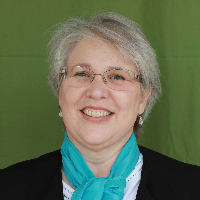
Pennsylvania · 35 yrs exp
Licensed Professional Counselor - stress, relationships, parenting
Stress, Anxiety · Relationship · Family · Parenting · +9 more
Read profile
Pennsylvania · 20 yrs exp
Dr. Brian Shaffer, LCMHC LCPC - Stress and addiction care
Stress, Anxiety · Addictions · LGBT · Grief · +14 more
Read profile
Pennsylvania · 24 yrs exp
LCSW in Pennsylvania focusing on mood and relationship concerns
Stress, Anxiety · Addictions · Relationship · Family · +11 more
Read profile
Pennsylvania · 24 yrs exp
LPC in Pennsylvania focused on trauma and relationships
Stress, Anxiety · Relationship · Trauma and abuse · Depression · +15 more
Read profile
Pennsylvania · 17 yrs exp
LPC in Pennsylvania focusing on mood and trauma
Stress, Anxiety · Self esteem · Depression · Compassion fatigue · +9 more
Read profile
Pennsylvania · 27 yrs exp
LPC in Pennsylvania - stress, trauma, addictions
Stress, Anxiety · Addictions · Trauma and abuse · Depression · +16 more
Read profile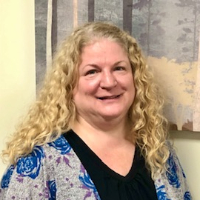
Pennsylvania · 23 yrs exp
LCSW focused on mood and life changes
Stress, Anxiety · Relationship · Grief · Depression · +13 more
Read profile
Pennsylvania · 11 yrs exp
LPC in Pennsylvania focusing on mood and coping
Stress, Anxiety · Anger · Self esteem · Bipolar · +7 more
Read profile
Pennsylvania · 10 yrs exp
LPC focused on relationships and life changes
Relationship · Family · Intimacy-related issues · Self esteem · +16 more
Read profile
Pennsylvania · 15 yrs exp
Licensed Professional Counselor in Pennsylvania - stress and addiction
Stress, Anxiety · Addictions · Family · Anger · +10 more
Read profile
Pennsylvania · 7 yrs exp
LPC in Pennsylvania focusing on stress and mood
Stress, Anxiety · Addictions · Self esteem · Depression · +15 more
Read profile
Pennsylvania · 3 yrs exp
LCSW focused on trauma and life stressors
Stress, Anxiety · Relationship · Family · Trauma and abuse · +12 more
Read profile
Pennsylvania · 25 yrs exp
LCSW focused on mood and relationship concerns
Stress, Anxiety · Addictions · Relationship · Family · +10 more
Read profile
Pennsylvania · 7 yrs exp
LMHC, LPC working with trauma and mood concerns
Stress, Anxiety · Relationship · Trauma and abuse · Self esteem · +12 more
Read profileIn recent years online therapy has become a common option for people across Pennsylvania, offering greater flexibility compared with traditional in-person care. State regulations allow licensed mental health professionals to provide therapy across much of Pennsylvania as long as they follow state practice rules. You will find clinicians who offer video, phone, and text-based messaging sessions from locations within the state and some who work across state lines under the appropriate licensing arrangements. Profiles typically list the formats a clinician uses and the populations they serve so you can quickly see whether their approach fits your needs. While the technology and delivery method may vary, the core goal is the same - to create a therapeutic relationship that helps you address the challenges you are facing.
Online therapy can reduce common barriers to care like travel time, parking, and commuting across busy corridors. If you live in a rural county or an area with fewer in-person providers, remote options expand the number of clinicians you can consider. Teletherapy also makes it easier to fit appointments into a busy schedule because you can connect from home, from a car between activities, or from a workplace break room when that is allowed. Many people appreciate the ability to continue therapy while traveling or during life transitions without interrupting progress.
You might find that certain therapeutic approaches translate well to video sessions, especially when your focus is on talk therapy, skill-building, or ongoing counseling. Profiles will often note whether a therapist provides shorter-term problem-focused work or longer-term exploratory therapy. Language options are frequently listed too, which can help if you prefer to speak with someone in Spanish or another language. The convenience of online sessions can also support consistent attendance, which is an important factor for making progress in therapy.
Online therapists in Pennsylvania address a broad range of concerns, from day-to-day stress and relationship questions to more complex mood and anxiety conditions. You will find clinicians who work with adults, adolescents, couples, and families on matters such as depression, generalized anxiety, panic symptoms, grief, adjustment after life changes, parenting challenges, and relationship strain. Some profiles indicate a focus on work-related stress, college adjustment, or managing chronic health conditions and their emotional impact.
Many therapists also note approaches they commonly use in their practice. For example, you may see profiles that mention cognitive-behavioral approaches, mindfulness-based practices, psychodynamic perspectives, or therapists who list EMDR among their approaches. Profiles should be read as descriptions of how a clinician frames their work rather than as a statement of credentials for a specific modality. If you have a particular concern - such as trauma, substance use support, or identity-related counseling - reviewing clinician profiles can help you identify those who describe relevant experience and focus areas.
Licensing in Pennsylvania is managed by state boards for different professions, including professional counselors, social workers, marriage and family therapists, and psychologists. A license indicates that a clinician has met state educational and practice requirements and is authorized to provide mental health services under Pennsylvania law. When you review a profile, look for the license type and the state where it was issued. This helps you confirm that the clinician practices within the regulatory framework that applies to Pennsylvania clients.
If you want to verify a license, you can visit the Pennsylvania licensing board websites and search their verification tools by name or license number. These public databases typically display the status of a license, the issuing board, and any disciplinary history. You can also contact the board directly for guidance on what the verification results mean. When reviewing a profile, keep in mind that listings may include the clinician's license type and state, but the official board site is the authoritative source for current licensure information.
Begin by thinking about what you want from therapy and what practical constraints matter - for example, the times you can attend sessions, whether you prefer video or phone, and whether you want short-term problem-focused work or longer-term support. Use the directory profiles to narrow your search based on approach, languages spoken, and the populations a clinician serves. Many profiles include a brief description of how a therapist works, what issues they commonly address, and what formats they offer. This information can help you prioritize which clinicians to reach out to for an initial conversation.
When you contact a clinician, you can ask about the logistics that matter to you such as session length, typical frequency, fees, and whether they accept your method of payment or insurance. You may also want to ask how they structure remote sessions - for example, whether they use video, phone, or messaging - and whether they provide guidance on technology setup. An early conversation can clarify whether a clinician's communication style and approach feel like a good match for how you prefer to work.
Selecting a therapist is a personal decision that often depends on how comfortable you feel with a clinician's communication style, therapeutic perspective, and experience with issues similar to yours. Start by identifying the most important factors for you - this might be shared cultural background, language, a specific clinical focus, or an approach that appeals to your way of thinking. Read profiles to see how therapists describe their work and which populations they commonly serve. The language used in a profile can give you a sense of whether the clinician emphasizes skills, insight, symptom management, or relational work.
Because therapy is collaborative, consider whether the clinician outlines how they measure progress or how they approach goals. Some therapists describe specific strategies they use in sessions, while others emphasize exploration and personal insight. If you have preferences about session structure - for example, wanting homework or practical tools versus a more conversational process - look for those cues in the profile. Also take account of logistical issues like session length and format so those practical aspects do not become barriers to participation. Ultimately, trust your impression of whether a clinician's style and focus feel like a fit for your needs, and allow yourself to explore more than one profile before deciding.
Finding an online therapist in Pennsylvania involves combining practical considerations with how you want to be supported in therapy. Use the directory to compare approaches, languages, credentials, and focus areas, and reach out to clinicians whose profiles resonate with your goals. With thoughtful selection and clear communication about expectations, you can find a therapeutic relationship that aligns with where you want to grow and heal.
Addictions
818 therapists
ADHD
751 therapists
Anger
998 therapists
Chronic Illness
426 therapists
Control Issues
762 therapists
Depression
1340 therapists
Grief
1115 therapists
Guilt and Shame
1055 therapists
Isolation / Loneliness
1009 therapists
Midlife Crisis
701 therapists
Mood Disorders
910 therapists
Panic Disorder and Panic Attacks
825 therapists
Post-Traumatic Stress
953 therapists
Postpartum Depression
491 therapists
Self Esteem
1302 therapists
Sleeping Disorders
435 therapists
Social Anxiety and Phobia
978 therapists
Stress & Anxiety
1427 therapists
Trauma and Abuse
1192 therapists
Abandonment
732 therapists
Aging and Geriatric Issues
531 therapists
Attachment Issues
787 therapists
Blended Family Issues
620 therapists
Body Image
554 therapists
Career
851 therapists
Caregiver Issues and Stress
818 therapists
Codependency
768 therapists
Communication Problems
1142 therapists
Compassion Fatigue
761 therapists
Coping with Life Changes
1218 therapists
Divorce
875 therapists
Family
1112 therapists
Family of Origin Issues
639 therapists
Forgiveness
993 therapists
Hospice and End-of-Life Counseling
376 therapists
Life Purpose
1048 therapists
Money and Financial Issues
488 therapists
Parenting
957 therapists
Pregnancy
355 therapists
Relationship
1244 therapists
Self-Love
1022 therapists
Workplace Issues
794 therapists