01
- Person centered
- Cognitive behavioral
- Strength based
About Courtney
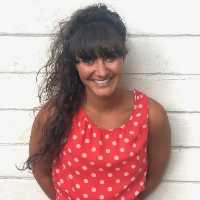
Courtney Cafaro, LMHC, LPC, is licensed in Pennsylvania and has seven years of experience in the mental health field. She works with people facing stress, anxiety, addictions, trauma and abuse, bipolar disorder, depression, grief, eating concerns, parenting strain, anger, self-esteem, career challenges, and ADHD. Her stated approach emphasizes letting clients guide the focus while she gathers goals and background to shape treatment.
Courtney uses a person-centered stance where clients help set the session direction. She also draws on cognitive behavioral ideas and strength-based perspectives to address symptoms and develop coping skills. She notes that treatment does not always fit a single label and often combines elements to match what a person needs.
In initial sessions she collects information about why someone reached out and what they hope to gain. Those first meetings focus on building rapport and clarifying goals. From there she determines which approaches will be most appropriate for ongoing work.
Her background includes a bachelor’s degree in psychology and a master’s degree in forensic psychology. She has worked with a wide range of diagnoses, including PTSD and psychosis, as well as mood and anxiety conditions.
Courtney frames therapy as a collaborative process. She helps people develop practical coping strategies, address current stressors, and work toward clearer goals. She offers services in English and practices in Pennsylvania.
02
How evidence-based approaches guide remote care
Person-centered work focuses on listening to what matters most to the client and letting their priorities shape sessions. This approach helps when someone needs to set goals and decide what to address first.Cognitive behavioral techniques look at how thoughts, feelings, and behaviors interact. They are used to build practical skills for managing anxiety, low mood, and stress through focused exercises and small behavior changes.
Strength-based elements highlight a person’s existing resources and skills. This helps people draw on what already works for them when facing cravings, grief, or life transitions.
Finding the right mix of approaches is part of the early work. The therapist will collaborate with the client to identify goals and pick methods that match those goals and preferences. Sessions evolve as needs change.
Confirm session options before booking since specific online formats are not listed here. Online sessions can make it easier to fit therapy into a busy week, reduce travel time, and allow shorter check-ins when needed. Licensed professionals can adapt exercises and homework to work well in remote appointments.
03
Areas of expertise
Primary focus
Also works with
Experience
7+ years
Listed in
Massachusetts, Pennsylvania
Languages
English
04
Frequently asked questions
What concerns does she work with?
She works with stress, anxiety, addictions, trauma and abuse, bipolar disorder, depression, grief, eating concerns, parenting strain, anger, self-esteem, career issues, ADHD, and related concerns.
What is her therapy style?
Her style is person-centered and collaborative. She also uses cognitive behavioral ideas and strength-based elements to build coping skills.
How long has she practiced?
She has seven years of experience working in the mental health field.
What are her credentials and where is she based?
She holds the credentials LMHC and LPC and practices in Pennsylvania.
Which languages are supported?
Sessions are offered in English.
Can she see international clients?
She is not currently accepting international clients.
How does billing and cost work?
Cost varies by location and sessions use a subscription that can be canceled at any time.
How do I get started with her?
Select the See online therapy options button, complete the short matching questionnaire, and schedule a first session.
Online talk therapy is not emergency care. If you are in danger, call 911, or call or text 988.