01
- ACT and CBT
- Attachment focus
- Client-centered work
About May
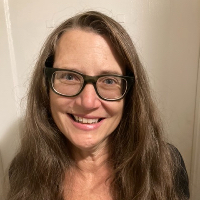
May Kirby, LPC, practices in South Carolina and has 10 years of clinical experience. She focuses on stress, anxiety, relationship concerns, trauma and abuse, depression, addictions, and a broad range of related issues. She uses several therapeutic approaches and emphasizes building a strong working relationship with each person.
May prefers clear, direct conversations about what is happening now and what the client wants to change. Sessions focus on identifying patterns, developing practical skills, and strengthening a supportive working relationship. She draws on cognitive behavioral techniques to address thoughts and behaviors and on acceptance and commitment ideas to clarify values and workable steps.
Attachment-based perspectives inform how she looks at relationship patterns and early influences. Client-centered methods shape a respectful, collaborative stance in sessions. Existential ideas are used when people are wrestling with life purpose, meaning, or big transitions.
Her practice covers many concerns beyond the core list, including obsessive-compulsive symptoms, panic, mood disorders, codependency, caregiving stress, hoarding, and intimacy-related issues. She also works with LGBT issues, grief, parenting strain, and career-related problems.
May describes the therapeutic relationship as central. She aims to help people notice patterns, try specific strategies, and adjust plans based on what works. To begin, prospective clients complete a short matching questionnaire and then schedule a first session.
02
Approaches used in online sessions
Acceptance and Commitment Therapy (ACT) helps people clarify personal values and take meaningful actions despite difficult thoughts or feelings; it is often used for anxiety, stress, and coping with life changes. Cognitive Behavioral Therapy (CBT) focuses on identifying unhelpful thought and behavior patterns and testing new, practical strategies to reduce symptoms like panic or low mood. Attachment-Based Therapy looks at relationship patterns and early influences to address communication problems, intimacy concerns, and family of origin issues.Choosing the right approach is part of the work. The therapist will collaborate with the client to decide which methods fit their goals and preferences. Plans are adjusted as progress and new needs appear.
Session logistics are not listed in the biography, so confirm the current online session options before booking. Online work can make it easier to fit sessions into a busy week, allow shorter check-ins when needed, and reduce travel time. Licensed professionals often adapt exercises, homework, and in-session tasks so tools learned in sessions can be used in everyday life.
03
Areas of expertise
Primary focus
Also works with
Additional focus areas
Therapeutic approaches
Experience
10+ years
Listed in
South Carolina
Languages
English
04
Frequently asked questions
What concerns does she address?
She works with stress, anxiety, relationship issues, trauma and abuse, depression, addictions, and many related concerns such as grief, intimacy, and ADHD.
What is her therapeutic style?
She emphasizes a collaborative therapeutic relationship and uses practical strategies from cognitive behavioral therapy and acceptance and commitment approaches.
How much clinical experience does she have?
She has 10 years of experience in clinical practice.
Is she licensed and where does she practice?
She holds an LPC license in South Carolina.
Which languages are supported?
Sessions are offered in English and she accepts international clients.
What session formats are available?
The original biography did not specify session formats; confirm current session options before booking.
How is pricing handled?
Cost varies with location and sessions use a subscription that can be canceled at any time.
How do I start working with her?
Select the See online therapy options button, complete a short matching questionnaire, and schedule a first session.
Online talk therapy is not emergency care. If you are in danger, call 911, or call or text 988.