01
- CBT methods
- DBT skills
- Acceptance-based work
About Shannon
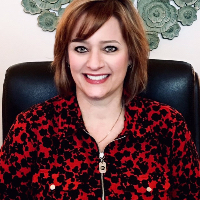
Dr. Shannon Hunter, LPC, practices in Texas and has 19 years of experience. She focuses on stress, anxiety, depression, relationship and intimacy concerns, addiction, trauma and abuse, and related areas. She describes her work as combining evidence-based talk therapy with psychoeducational information to teach coping strategies, skills, and techniques that reduce areas of concern.
Hunter uses cognitive behavioral approaches, dialectical behavior strategies, mindfulness, and acceptance-based methods to create an individualized plan. Her background spans education and mental health counseling, which she says informs how she presents information and structures sessions.
She earned three of four degrees from Texas Tech University, including a Master’s in Counseling, a Master’s in Education, and a Doctorate in Educational Psychology. Her training also includes credentials in community counseling and chemical dependency as part of her career path.
Her work history includes private practice, group clinics, integrated health care clinics, state facilities, university campuses, and remote service. She states that these varied settings shaped her approach to teaching skills and offering practical strategies.
In sessions she blends talk therapy with teaching about how symptoms and behaviors work, then practices coping techniques. She emphasizes clear communication and active listening while helping people try new ways of responding to stress and relationship challenges.
02
Therapeutic approaches used in remote sessions
Dr. Hunter uses cognitive behavioral therapy to identify unhelpful thinking and behavior patterns and then teach concrete strategies to change them; this approach is often used for anxiety, depression, and stress. She also uses dialectical behavior therapy skills to teach emotion regulation, distress tolerance, and interpersonal effectiveness techniques that can help during intense emotional times. Acceptance and Commitment Therapy is used to help people notice painful thoughts and feelings while clarifying values and taking committed actions toward meaningful goals.Choosing the right approach is part of the work together. The therapist will discuss goals, preferences, and what feels most useful. She collaborates with each person to adjust strategies and try different tools until a practical fit is found.
The biography did not list specific session formats, so confirm available options before booking. Online work can make it easier to fit sessions into a busy life by removing travel time and allowing sessions during a lunch break or between errands. Remote sessions also let people use shorter check-ins when a full appointment is not needed, or choose video when visual cues are helpful and phone when lower bandwidth or a quieter set-up is preferable.
03
Areas of expertise
Primary focus
Also works with
Additional focus areas
Therapeutic approaches
Experience
19+ years
Listed in
Texas
Languages
English
04
Frequently asked questions
What concerns does she address?
She works with stress, anxiety, depression, relationship and intimacy issues, addictions, trauma and grief among other concerns.
What style of therapy does she use?
She combines evidence-based talk therapy and psychoeducation, including CBT, DBT, ACT, attachment-based, and client-centered approaches.
How much experience does she have?
She has 19 years of clinical experience across education and mental health settings.
What are her credentials and where is she licensed?
She is a Licensed Professional Counselor (LPC) licensed in Texas.
Does she offer sessions in other languages or to international clients?
Sessions are offered in English and she is not currently accepting international clients.
What session formats are available?
Session formats were not specified in the biography; confirm current session options with the provider before booking.
How are fees handled?
Costs vary by location and sessions use a subscription model that can be canceled at any time.
How do I begin working with her?
Select the See online therapy options button, complete a short matching questionnaire, and schedule a first session.
Online talk therapy is not emergency care. If you are in danger, call 911, or call or text 988.