01
- Stress and anxiety
- Addiction recovery
- Trauma and grief
About Jill
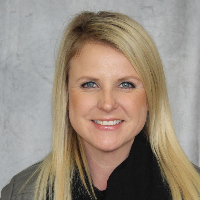
Jill Sherwood, Licensed Mental Health Counselor (LMHC) in Iowa, has six years of clinical experience. She focuses on stress, anxiety, addiction, trauma and abuse, grief, depression, relationship and family concerns, and related issues. Jill uses a mix of approaches she lists, and helps people make concrete changes in their lives.
She has worked in nonprofit programs, residential settings, and clinical practice. Her background includes running group sessions and supporting people involved with the Department of Human Services and Department of Corrections. Jill has helped individuals who want to reduce substance use, manage mood symptoms, or cope with loss and trauma.
Her work pulls from several therapeutic approaches, applied in straightforward ways. She uses skills to address patterns that keep people stuck. Sessions often include practical steps and coping strategies that can be used between meetings.
Jill also lists additional focus areas such as aging and geriatric issues, caregiver stress, chronic pain and illness, blended family issues, communication problems, and recovery from domestic violence or disaster. She has experience with a broad set of concerns including bipolar disorder and codependency.
She offers care in English and does not accept international clients. Cost varies by location and sessions use a subscription that can be canceled at any time. To begin, people complete a short matching questionnaire and schedule a first session through the platform.
02
Therapeutic approaches used in remote sessions
Acceptance and Commitment Therapy (ACT) helps people notice thoughts and feelings without getting driven by them and then commit to actions that match their values. It is often used for anxiety, stress, and coping with life changes. Cognitive Behavioral Therapy (CBT) focuses on identifying unhelpful thinking and behavior patterns and replacing them with practical strategies for mood and anxiety concerns. It is common for depression, anxiety, and sleep problems. Eye Movement Desensitization and Reprocessing (EMDR) is a trauma-focused approach that works through distressing memories and related beliefs; it can be used for trauma and abuse recovery.Choosing an approach is collaborative. The therapist will talk with each person about goals, preferences, and what feels most helpful. Adjustments are made over time based on how a person responds to the work.
Session formats are not specified in the biography, so confirm current options before booking. Many people find that meeting remotely can make scheduling easier, allow shorter check-ins during a busy day, and reduce travel time. Remote work also lets therapists use ACT, CBT, or EMDR techniques in ways that fit into everyday life and follow-up between sessions.
03
Areas of expertise
Also works with
Additional focus areas
Therapeutic approaches
Experience
6+ years
Listed in
Iowa
Languages
English
04
Frequently asked questions
What concerns does she address?
She works with stress, anxiety, addictions, trauma and abuse, grief, and depression among other issues.
What therapeutic approaches does she use?
The approaches listed include Acceptance and Commitment Therapy, Client-Centered Therapy, Cognitive Behavioral Therapy, Dialectical Behavior Therapy, and EMDR.
How much clinical experience does she have?
Jill has six years of experience in nonprofit, residential, and clinical practice settings.
Is she licensed and where does she practice?
She is an Iowa Licensed Mental Health Counselor (LMHC) and practices in Iowa.
Which languages are sessions offered in?
Sessions are offered in English only.
Can international clients work with her?
She does not accept international clients at this time.
How does payment and cost work?
Cost varies with location and sessions use a subscription that can be canceled at any time.
How do I start a first session?
Select the See online therapy options button, complete the short matching questionnaire, and schedule the first session.
Online talk therapy is not emergency care. If you are in danger, call 911, or call or text 988.