01
- Eating and sleeping
- CBT and DBT
- Grief and addiction
About Mary
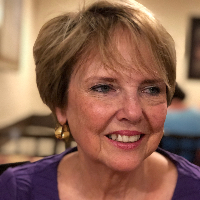
Dr. Mary Walker is a Licensed Professional Counselor (LPC) licensed in Texas with ten years of clinical experience. She focuses on concerns such as eating and sleeping problems, addictions, LGBT issues, grief, career questions, bipolar disorder, coaching, and ADHD. Her stated approach includes client-centered work, cognitive behavioral techniques, dialectical behavior therapy, existential and mindfulness approaches.
Dr. Walker describes her work as conversational and practical. She draws on her background as a former high school art teacher and church mentor to connect with people’s stories. Sessions aim to identify manageable steps and skills that reduce day-to-day distress.
Her training includes a master’s in counseling from Houston Graduate School of Theology and a Ph.D. from Texas A&M Corpus Christi. She lists extended study in methods for trauma, PTSD, personality issues, grief, dissociation, depression, OCD, transitions, and anxiety. She reports extensive experience with survivors of childhood abuse and people facing relationship and work challenges.
In-session methods emphasize listening and collaboration. She uses client-centered and cognitive behavioral methods to help people notice patterns and try different responses. Dialectical behavior work and mindfulness are used to manage intense emotions and build coping skills.
Dr. Walker frames therapy as skilled, steady work. She presents therapy as a place to practice new ways of handling fear, anger, and frustration. Her descriptions emphasize small, concrete steps toward a more manageable daily life.
02
How her approaches translate to online work
Client-Centered Therapy focuses on listening and supporting a person's own goals. Online sessions using this approach tend to prioritize open conversation and collaborative goal setting, which can work well for relationship, career, or identity concerns.Cognitive Behavioral Therapy (CBT) helps people identify unhelpful thoughts and try new behaviors. In a remote format CBT often includes concrete exercises and between-session practice to track changes in mood, sleep, or habits.
Dialectical Behavior Therapy (DBT) teaches skills for emotional regulation, distress tolerance, and interpersonal effectiveness. Remote DBT sessions can focus on short skills coaching and practicing specific techniques for managing intense feelings.
Choosing the right approach is part of the early work. The therapist will discuss goals and preferences and help decide which methods to emphasize. That decision is collaborative and may change over time as needs become clearer.
The original biography does not list which session formats are offered. Confirm current session options before booking. Online work can make it easier to fit sessions into a busy schedule, allow shorter check-ins when helpful, and reduce travel time, which helps sustain regular appointments and practice between sessions.
03
Areas of expertise
Primary focus
Also works with
Additional focus areas
Therapeutic approaches
Experience
10+ years
Listed in
Texas
Languages
English
04
Frequently asked questions
What concerns does she address?
She works with issues such as eating and sleeping problems, addictions, LGBT concerns, grief, career questions, bipolar disorder, coaching, and ADHD, plus many family of origin and trauma-related topics.
What is her therapy style?
Her style is client-centered and practical, using conversation to identify skills and steps people can try between sessions.
How much clinical experience does she have?
She has ten years of experience in counseling.
What are her credentials and where is she licensed?
She is a Licensed Professional Counselor, LPC, licensed in Texas.
Which languages are supported?
Sessions are offered in English and she accepts international clients.
What session formats are available?
The original biography does not list specific session formats; confirm current session options before booking.
How does pricing work?
Cost varies with location, and sessions use a subscription that can be canceled at any time.
How do I begin the process?
Select the See online therapy options button, complete a short matching questionnaire, and schedule a first session.
Online talk therapy is not emergency care. If you are in danger, call 911, or call or text 988.