01
- Stress and anxiety
- Self esteem work
- CBT and ACT methods
About Eugene
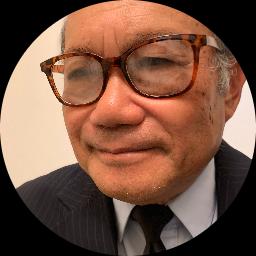
Eugene Yamamoto, LCSW, is licensed in California and has 30 years of clinical experience. He works on stress, anxiety, self esteem, depression, coping with life changes, and coaching using the approaches he lists: Acceptance and Commitment Therapy, Attachment-Based Therapy, Client-Centered Therapy, Cognitive Behavioral Therapy, and Dialectical Behavior Therapy. He sees clients in English and accepts international clients.
Eugene frames clients as the experts of their own stories and focuses on their strengths. Sessions emphasize practical steps and real-life skills rather than jargon. He invites people to take the first step and notes that starting therapy requires courage.
In sessions he draws on a mix of approaches. He uses Cognitive Behavioral Therapy to look at thoughts and behaviors that keep problems going. Acceptance and Commitment Therapy helps people clarify what matters and take committed action even when feelings are uncomfortable.
Attachment-Based and Client-Centered work guide how he attends to relationships and the therapeutic connection. Dialectical Behavior Therapy tools are used when emotion regulation and distress tolerance are needed. The aim is to offer strategies people can use between sessions.
Eugene also addresses specific issues like abandonment, adoption and foster care concerns, caregiver stress, chronic illness and disability, body image, codependency, commitment and communication problems, and a range of personality and attachment concerns. He blends talk and practical coaching to help people move toward clearer goals.
To begin, readers are advised to follow the site process to match and schedule a first session. He works in English and accepts clients from outside the United States.
02
How therapeutic approaches translate to online work
Acceptance and Commitment Therapy (ACT) helps people name what matters to them and practice actions that match those values even when feelings are hard. ACT often focuses on skills for coping with stress and making small behavior changes that align with goals.Cognitive Behavioral Therapy (CBT) focuses on identifying unhelpful thoughts and testing new behaviors. It is useful for anxiety, depression, and building confidence through stepwise practice and feedback.
Attachment-Based Therapy looks at relationship patterns and how early bonds influence current reactions. This approach can help people understand why they feel and relate the way they do and find different ways of connecting.
Finding the right method is part of the work. The therapist will collaborate with the client to choose and adjust approaches based on needs, goals, and preferences. Sessions can combine methods and shift focus as progress is made.
Confirm the available session formats before booking, as the biography does not list specific options here. Online sessions can make it easier to fit therapy into busy days, allow for shorter check-ins when needed, and eliminate travel time. They also let people use a therapeutic space that fits their schedule and daily life.
03
Areas of expertise
Primary focus
Additional focus areas
Therapeutic approaches
Experience
30+ years
Listed in
California
Languages
English
04
Frequently asked questions
What concerns does he address?
Eugene focuses on stress, anxiety, self esteem, depression, coping with life changes, and coaching. He also works with issues such as abandonment, adoption and foster care, caregiver stress, chronic illness, body image, codependency, commitment and communication problems.
What is his therapeutic style?
He uses a mix of approaches including Cognitive Behavioral Therapy, Acceptance and Commitment Therapy, Attachment-Based and Client-Centered methods, and Dialectical Behavior Therapy tools. The work emphasizes practical skills and personal strengths.
How long has he practised?
He has 30 years of professional experience in clinical social work and therapy.
Where is he licensed and based?
He is a Licensed Clinical Social Worker - LCSW - licensed in California.
Which languages does he offer sessions in?
Sessions are offered in English.
Can people outside the United States work with him?
He accepts international clients; confirm any location-specific details before booking.
How does pricing work?
Cost varies with location and sessions use a subscription that can be canceled at any time.
What are the steps to start therapy?
Click the See online therapy options button, complete a short matching questionnaire, and schedule a first session.
Online talk therapy is not emergency care. If you are in danger, call 911, or call or text 988.