01
- Acceptance and Commitment Therapy
- Cognitive Behavioral Therapy
- Emotionally-Focused Therapy
About Amy
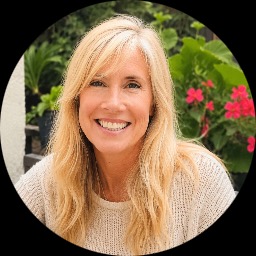
Amy Shafer, Licensed Clinical Social Worker (LCSW), holds a California license and brings 30 years of practice. She focuses on stress, anxiety, depression, grief, relationship and family conflict, trauma and loss, and life-stage transitions. Her approach blends several therapies to help people address practical problems and emotional pain.
Shafer uses Acceptance and Commitment Therapy, Cognitive Behavioral Therapy, Emotionally-Focused Therapy, Mindfulness, and Client-Centered methods. She describes her work as helping people identify what matters, build coping skills, and improve communication. Sessions also address addictions, intimacy-related concerns, sleep problems, and compassion fatigue.
Her recent practice emphasis has been on adults and geriatric individuals and families facing medical, caregiving, and life-cycle challenges. She notes experience with blended family issues, cancer-related concerns, chronic illness, and caregiver stress. Shafer also works with personality and attachment-related themes such as avoidant and dependent patterns.
Over three decades she has worked in many settings and with a range of ages. That background gives her a broad toolkit of strategies to draw on. She aims to match methods to the person’s needs and situation.
To begin, she asks people to describe the problem and their goals. She uses practical problem solving, skills practice, and emotion-focused work to address relationships and loss. The emphasis is on clear steps and understandable techniques that fit everyday life.
02
How therapeutic approaches guide online work
Amy Shafer uses Acceptance and Commitment Therapy to help people clarify values and take small steps toward the life they want. ACT is often used for anxiety, depression, grief, and coping with life transitions.She also draws on Cognitive Behavioral Therapy to identify unhelpful thoughts and experiment with new behaviors. CBT supports work on sleep, stress, addictions, and mood symptoms. Her use of Emotionally-Focused Therapy focuses on how emotion and patterns of connection shape relationship problems and intimacy concerns.
Finding the best approach is part of the work. She will discuss goals, preferences, and practical needs and help the client choose which methods to try. That collaborative planning makes it easier to adjust techniques as progress is made.
Session formats are not listed in the original biography, so confirm current options before booking. In general, online sessions can make it simpler to fit therapy into a day, allow shorter check-ins when needed, and reduce travel time. The therapist will adapt ACT, CBT, and EFT tools for remote meetings so the same skill practice, problem solving, and emotion work can take place over distance.
03
Areas of expertise
Also works with
Additional focus areas
Therapeutic approaches
Experience
30+ years
Listed in
California
Languages
English
04
Frequently asked questions
What concerns does she address?
She works with stress, anxiety, depression, grief, relationship and family conflict, trauma and loss, and related issues such as sleep problems and addictions.
What is her therapeutic style?
She combines Client-Centered, ACT, CBT, EFT, and mindfulness approaches to help people build coping skills and improve relationships.
How much experience does she have?
She has 30 years of clinical experience working in a variety of settings and with multiple age groups.
Is she licensed and where does she practice?
She is a Licensed Clinical Social Worker (LCSW) licensed in California.
Which languages are sessions offered in?
Sessions are offered in English.
Does she work with international clients?
She does not accept international clients at this time.
How are sessions scheduled and what does it cost?
Cost varies with location and sessions use a subscription that can be canceled at any time.
How do I get started with her practice?
Select the See online therapy options button, complete the short matching questionnaire, and schedule a first session.
Online talk therapy is not emergency care. If you are in danger, call 911, or call or text 988.