01
- CBT methods
- DBT skills
- Client-centered work
About Toni
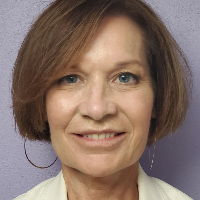
Dr. Toni Morgan-Jones is a Wisconsin Psychologist (WI Psychologist 2785-057) with 23 years in the mental health field. She works with stress, anxiety, depression, trauma and relationship and intimacy-related issues. She uses approaches she describes as client-centered, cognitive behavioral, dialectical behavior, narrative, and mindfulness-based methods.
Dr. Morgan-Jones has worked in outpatient clinics, county mental health services, and integrated services programs. She has experience in both larger Wisconsin cities and smaller rural communities. Her background includes supporting people facing mood instability and grief as well as those affected by trauma and abuse.
Her style emphasizes practical work that addresses how past events shape present feelings and behavior. She helps people talk through upsetting experiences and the ideas they hold about themselves. Sessions focus on identifying patterns, building coping skills, and finding ways to manage emotion and relationships.
She also offers interventions drawn from solution-focused and rational emotive approaches when those fit a person’s goals. That can include short-term strategies for crisis moments and longer work on topics like attachment, codependency, or anger. The therapist notes experience with persistent mental illness such as psychosis and schizophrenia within community settings.
People seeking help for caregiver stress, aging and geriatric concerns, blended family issues, cancer-related distress, or life transitions may find relevant experience here. Dr. Morgan-Jones uses plain language in sessions and aims to match strategies to what a person finds helpful.
02
Therapeutic approaches and online sessions
Client-Centered Therapy focuses on listening and reflecting what a person says so they can clarify feelings and goals. It helps with relationship concerns, grief, and situations where understanding oneself is the main need.Cognitive Behavioral Therapy (CBT) looks at how thoughts and behaviors interact. It teaches practical strategies for anxiety, depression, and stress by identifying unhelpful thoughts and testing new actions.
Dialectical Behavior Therapy (DBT) emphasizes skills for regulating intense emotions and improving distress tolerance. It can help with mood instability, anger, and relationship difficulties.
Finding the right approach is part of the work together. The therapist will discuss goals and preferences and recommend methods that fit those needs. This is a collaborative process that may combine different techniques over time.
Confirm current session options before booking as formats are not specified in the biography. Online sessions can make it easier to fit therapy into a busy schedule, reduce travel time, and allow shorter check-ins when needed. Licensed professionals often adapt hands-on skills like DBT and CBT to remote formats so people can practice strategies between sessions.
03
Areas of expertise
Primary focus
Also works with
Additional focus areas
Therapeutic approaches
Experience
23+ years
Listed in
Wisconsin
Languages
English
04
Frequently asked questions
What concerns does she work on?
She works on stress, anxiety, depression, trauma and relationship and intimacy-related issues, among other concerns listed in her profile.
What therapeutic approaches does she use?
Her approaches include Client-Centered Therapy, Cognitive Behavioral Therapy, Dialectical Behavior Therapy, Mindfulness Therapy, and Narrative Therapy.
How many years of experience does she have?
She has 23 years of experience in the mental health field.
What credential does she hold and where is she licensed?
She is a Wisconsin Psychologist licensed as WI Psychologist 2785-057 and practices in Wisconsin.
Are sessions available in other languages?
Sessions are offered in English.
Does she work with international clients?
She does not accept international clients at this time.
How are costs handled?
Cost varies with location, and sessions use a subscription that can be canceled at any time.
How do I get started with scheduling a session?
Choose the See online therapy options button, complete the short matching questionnaire, and schedule a first session.
Online talk therapy is not emergency care. If you are in danger, call 911, or call or text 988.