01
- Client-Centered Therapy
- Cognitive Behavioral Therapy
- DBT skills work
About Roxanne
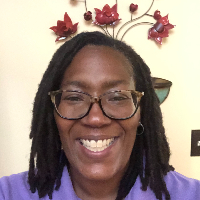
Roxanne Mitchell, LPC, is a Licensed Professional Counselor in Michigan with seven years of clinical work. She focuses on stress, anxiety, depression, trauma and abuse, addictions, relationship and family issues, and related concerns such as grief, intimacy, and self-esteem. She also addresses areas including ADHD, bipolar disorder, compassion fatigue, and LGBTQ matters.
Roxanne uses client-centered work as a foundation. She aims to build a clear therapeutic connection and to identify each person's strengths. Sessions involve assessment, collaborative planning, and interventions chosen to fit the individual's goals and personality.
Her background includes experience with first responder trauma, dual diagnosis and severe emotional disturbance. She has worked with issues linked to domestic violence, suicidal ideation, and complex family systems. Adoption and foster care concerns, blended family challenges, and communication or control issues are also areas she addresses.
Roxanne draws on a mix of approaches rather than a single method. She integrates Cognitive Behavioral Therapy, Dialectical Behavior Therapy, Existential ideas, and elements from the Gottman Method when relationship skills are needed. That mix is used to match interventions to the situation at hand.
The work in sessions is practical and goal oriented. Clients can expect discussion of patterns, skills practice, and problem solving aimed at daily functioning. Roxanne emphasizes shared decision making about which strategies to use and adjusts plans as progress is made.
02
How therapeutic approaches guide online work
Client-Centered Therapy focuses on the person in front of the therapist. It emphasizes listening, reflecting, and helping people identify their own strengths and goals. This approach can help with broad concerns like anxiety, depression, and relationship stress.Cognitive Behavioral Therapy (CBT) targets thoughts and behaviors that keep problems going. It uses concrete techniques such as tracking patterns, testing beliefs, and practicing new skills to reduce symptoms and improve daily functioning. CBT is often used for anxiety, depression, and sleep or eating issues.
Dialectical Behavior Therapy (DBT) offers skills for emotion regulation, distress tolerance, and interpersonal effectiveness. It is practical work that includes skill practice and behavior change for strong emotions and relationship challenges.
Finding the right approach is part of the work. The therapist will review goals, current concerns, and preferences and will collaborate on which methods to try. Plans are adjusted as needs change and progress is reviewed together.
Confirm the current online session options before booking, as the biography does not list specific formats. Online work can make it easier to fit appointments around daily life. It can also allow shorter check-ins, less travel time, and options that reduce time away from work or home responsibilities.
03
Areas of expertise
Primary focus
Also works with
Additional focus areas
Therapeutic approaches
Experience
7+ years
Listed in
Michigan
Languages
English
04
Frequently asked questions
What issues does she address?
She works with stress, anxiety, depression, trauma and abuse, addictions, relationship and family concerns, grief, intimacy issues, self-esteem, ADHD, bipolar disorder, and related problems.
What is her therapy style?
Her approach is client-centered and collaborative. She combines practical skill-building with discussion of patterns and problem solving.
How much clinical experience does she have?
Roxanne has seven years of professional practice in counseling and mental health work.
Where is she licensed to practice?
She is a Licensed Professional Counselor (LPC) licensed in Michigan.
Which languages are available for sessions?
Sessions are offered in English. She also accepts international clients.
What session formats are offered?
The biography does not list specific session formats. Confirm current session options before booking to know which formats are available.
How are sessions billed?
Cost varies with location and sessions use a subscription model that can be canceled at any time.
How do I begin working with her?
Select the See online therapy options button, complete the short matching questionnaire, and schedule a first session.
Online talk therapy is not emergency care. If you are in danger, call 911, or call or text 988.