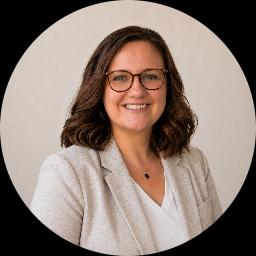
01
- LGBT identity work
- Trauma recovery
- Emotion regulation skills
About Murphy
Murphy Hall, Licensed Master Social Worker (LMSW) and Licensed Clinical Social Worker (LCSW), holds an Indiana LCSW and a Michigan LMSW and has eight years of clinical experience. She works with adults on issues such as LGBT identity, trauma and abuse, anxiety, depression, relationship distress, and coping with life changes. Murphy uses language that values identity and focuses on emotion regulation, healing from painful experiences, and understanding minority stress.
Murphy is queer identified and notes that this informs her practice when supporting people exploring sexuality and gender identity. She says identity should be understood and honored rather than fixed. She also works with people who have personality disorder diagnoses and with those processing trauma.
Her approach blends several evidence-based methods. She draws on Dialectical Behavior Therapy, Cognitive Behavioral Therapy, Acceptance and Commitment Therapy, Emotionally-Focused Therapy, and Mindfulness Therapy. She applies these methods flexibly based on a person’s goals, strengths, and readiness for change.
Murphy describes her style as progressive and trauma-informed. She emphasizes a collaborative therapeutic relationship and attending to emotion regulation skills. Sessions focus on practical work such as managing intense emotions, clarifying values, improving communication patterns, and processing traumatic memories when appropriate.
She practices in Indiana and offers services in English. Sessions use a subscription model that can be canceled at any time. To start, a reader is asked to follow the site flow to complete a brief matching questionnaire and schedule a first session.
02
Therapeutic approaches used in remote sessions
Acceptance and Commitment Therapy (ACT) helps a person clarify what matters to them and take actions aligned with those values. ACT includes exercises to notice thoughts without getting stuck and to commit to small behavior changes that match personal priorities. Cognitive Behavioral Therapy (CBT) focuses on identifying unhelpful thinking patterns and changing behaviors that keep problems going. CBT can be useful for anxiety, depression, and stress by teaching practical strategies to test thoughts and try new responses. Dialectical Behavior Therapy (DBT) offers concrete skills for managing intense emotions and reducing impulsive reactions. DBT skills include distress tolerance, emotion regulation, and interpersonal effectiveness for improving interactions and coping. Finding the right approach is part of therapy. The therapist will work together with the client to decide which methods fit best based on needs, goals, and readiness. This collaborative process can include trying different techniques and adjusting the plan over time. Confirm the available session formats before booking because the biography does not list specific formats. Online work can make it easier to fit sessions into a busy life, for example by reducing commute time, allowing shorter check-ins during a break, or avoiding the need to be on camera. Licensed professionals can use these options to keep therapy consistent with everyday schedules.03
Areas of expertise
Primary focus
Also works with
Additional focus areas
Therapeutic approaches
Experience
8+ years
Listed in
Indiana, Michigan, New Jersey
Languages
English
04
Frequently asked questions
What concerns does she work with?
She works with LGBT identity, trauma and abuse, stress, anxiety, relationship issues, depression, and coping with life changes. Additional focuses include body image, codependency, gender dysphoria, and related topics.
What is her therapeutic style?
She uses a trauma-informed, progressive approach and describes the work as collaborative. Methods include skill-building for emotion regulation and processing traumatic experiences as needed.
How long has she been practicing?
She has eight years of clinical experience. That experience includes work with people exploring sexuality, gender identity, and personality-related concerns.
What are her credentials and where is she licensed?
She holds the credentials LMSW and LCSW. Licenses are listed as a Michigan LMSW and an Indiana LCSW.
Are sessions offered in other languages or for international clients?
Sessions are offered in English. She is not accepting international clients.
What session formats are available?
The biography does not specify session formats. Confirm the current session options with the therapist before booking.
How does pricing work?
Cost varies with location and sessions use a subscription that can be canceled at any time. The exact fee depends on the location provided during intake.
How do I begin working with her?
Select the See online therapy options button, complete a short matching questionnaire, and schedule a first session. The questionnaire helps match you with the next steps.
Online talk therapy is not emergency care. If you are in danger, call 911, or call or text 988.