01
- Client-Centered Therapy
- Cognitive Behavioral Therapy
- Emotion-Focused Therapy
About Lisa
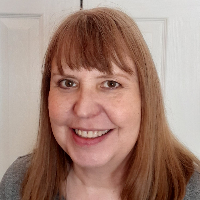
Lisa Daly, Licensed Clinical Social Worker (LCSW) and Licensed Specialist Clinical Social Worker (LSCSW), is licensed in Missouri and has 19 years of practice. She works with stress, anxiety, depression, relationship and family concerns, trauma and abuse, addictions, LGBTQ issues, grief, and other mood and life-change challenges. Her stated approach begins with listening and offering options rather than prescribing a single path.
Daly describes her work as client-centered. She listens first and then offers possible steps clients can choose from. She uses short-term therapy when that fits a person's goals and will make referrals when a need falls outside her scope. She also emphasizes that clients should say when therapy isn’t working so adjustments can be made.
Her background includes many years helping people with OCD, marital conflict, parenting questions, midlife transitions, aging and caregiver stress, and faith-related concerns. She lists Cognitive Behavioral Therapy, Emotionally-Focused Therapy, Solution-Focused Therapy, Existential Therapy, and Client-Centered Therapy among the approaches she uses. These guide practical work on communication, coping skills, and decision points.
Sessions focus on improving self-esteem, managing anger, addressing intimacy concerns, and navigating life changes. Daly notes she will refer out when a client needs a different kind of support. Her experience includes working across a broad set of mood and behavior issues over nearly two decades.
She practices in Missouri and conducts work in English. Her practice emphasizes clear feedback and collaborative planning so clients and the therapist can agree on next steps.
02
How her approaches are used in online sessions
Client-Centered Therapy focuses on listening and helping clients choose the next steps. It is useful for people who want a collaborative process to set goals and decide what feels most useful. Cognitive Behavioral Therapy (CBT) looks at how thoughts and behaviors interact and adds practical skills for anxiety, depression, OCD, and mood concerns. Emotionally-Focused Therapy (EFT) helps people identify and shift patterns in close relationships and can help with communication and intimacy issues.Finding the right approach is part of the work together. The therapist will discuss goals and preferences and adapt methods to fit what the client needs. This is a collaborative process where approaches can be combined or adjusted over time based on progress and feedback.
Confirm the current session options before booking so you know what formats are offered. Online sessions can make it easier to fit therapy into a busy schedule, reduce travel time, and allow for shorter check-ins when needed. Licensed professionals can use these sessions to teach coping skills, practice communication, and support problem solving in everyday life.
03
Areas of expertise
Primary focus
Also works with
Additional focus areas
Therapeutic approaches
Experience
19+ years
Listed in
Missouri, Kansas
Languages
English
04
Frequently asked questions
What concerns does she help with?
She works with stress, anxiety, depression, grief, relationship and intimacy issues, addictions, trauma and abuse, and related mood concerns.
What is her therapeutic style?
She uses a client-centered approach and offers options after listening closely. She also uses CBT, EFT, solution-focused, and existential techniques when appropriate.
How much experience does she have?
She has 19 years of experience providing therapy.
What credentials and licensure does she hold?
She is an LCSW and an LSCSW, licensed in Missouri as an LCSW and in Kansas as an LSCSW.
Which languages are sessions offered in?
Sessions are offered in English.
Can international clients work with her?
She does not accept international clients at this time.
How are sessions billed and what does it cost?
Cost varies by location and sessions use a subscription model that can be canceled at any time.
How do I begin work with her?
Select the See online therapy options button, complete the short matching questionnaire, and schedule a first session.
Online talk therapy is not emergency care. If you are in danger, call 911, or call or text 988.