01
- CBT methods
- DBT skills
- Somatic regulation
About Linda
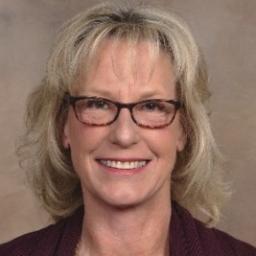
Linda Milewski, LCSW, holds a clinical social work license in Florida and has 18 years of practice experience. She works with stress, anxiety, relationship challenges, trauma and abuse, depression, ADHD, addictions, grief, and related concerns using the approaches she lists. Her stated methods include Client-Centered Therapy, Cognitive Behavioral Therapy (CBT), Dialectical Behavior Therapy (DBT), Emotionally-Focused Therapy (EFT), and Existential Therapy.
Linda structures sessions around clear support and accountability. She emphasizes working with the body and nervous system to reduce chronic stress reactions. That work pairs with emotion regulation skills and communication practices to help people change patterns that cause harm in daily life.
Her background includes long clinical experience in psychiatric, recovery, and wellness settings. She reports helping people stabilize during crisis and supports those dealing with addiction, mood disorders, and trauma-related symptoms. The biography also notes experience with somatic techniques and nonviolent communication as part of her practice.
In session she combines practical tools and therapeutic conversation. Clients can expect skill-building such as DBT-style emotion regulation and CBT-style thinking work alongside approaches that attend to bodily regulation. She frames this as collaborative problem solving rather than abstract theory.
Linda also lists work with issues like parenting stress, intimacy-related concerns, career stress, compassion fatigue, and a range of personality and life-stage topics. Prospective clients should confirm session formats and scheduling details before booking.
02
How her approaches translate to online work
Client-Centered Therapy emphasizes listening and working from the client's concerns. Online sessions using this approach focus on the client's goals, current struggles, and preferred pace. Cognitive Behavioral Therapy, or CBT, concentrates on identifying patterns of thought and behavior. In remote sessions it is used for skills like problem solving, behavior experiments, and tracking thoughts between meetings. Dialectical Behavior Therapy, DBT, teaches skills for emotion regulation, distress tolerance, and interpersonal effectiveness. These skills can be practiced in session and assigned as exercises to use between meetings.Choosing an approach is collaborative. The therapist will talk with the client about goals, symptoms, and daily life to decide which methods fit best. Adjustments are made as work progresses and new needs appear.
The profile does not list specific online session formats, so confirm current session options before booking. Online work can make scheduling easier and help sessions fit into a busy week. It also supports shorter check-ins, skill-practice between meetings, and sessions that do not require travel. Licensed professionals use these methods to help people apply coping skills to everyday situations.
03
Areas of expertise
Primary focus
Also works with
Additional focus areas
Therapeutic approaches
Experience
18+ years
Listed in
Florida, North Carolina
Languages
English
04
Frequently asked questions
What concerns does she work on?
She works on stress, anxiety, relationship issues, trauma and abuse, depression, ADHD, addictions, grief, and related topics listed in her profile.
What is her therapeutic style?
Her style mixes Client-Centered Therapy with CBT and DBT skills, plus attention to body regulation and communication practices.
How much clinical experience does she have?
She has 18 years of practice experience in clinical and recovery settings.
Where is she licensed and based?
She is a Licensed Clinical Social Worker with a Florida LCSW and also holds an NC LCSW; her profile lists Florida as location.
Which languages are supported?
Sessions are offered in English.
Does she work with clients outside the country?
She does not accept international clients at this time.
How are fees and billing handled?
Cost varies with location and sessions use a subscription model that can be canceled at any time.
How do I begin a first session?
Use the See online therapy options button, complete the short matching questionnaire, and schedule a first session.
Online talk therapy is not emergency care. If you are in danger, call 911, or call or text 988.