01
- Client-Centered Therapy
- Cognitive Behavioral Therapy
- Hypnotherapy
About Edwin
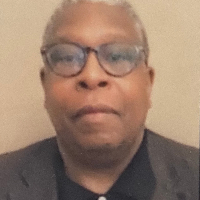
Edwin Wea, LCPC, LMHC, holds licenses in Nevada and has 20 years in practice. He works on stress, anxiety, addictions, relationship and family concerns, depression, trauma and related issues using client-centered language where the source gives them. He describes his approach as emphasizing unconditional positive regard and tailoring work to people’s strengths and goals.
He uses client-centered therapy to focus on the person’s perspective and to encourage open discussion of concerns. He also draws on cognitive behavioral techniques to address thinking and behavior patterns. Hypnotherapy and mindfulness practices are part of his toolkit when those methods fit a client’s needs.
Edwin aims to promote gradual behavioral change through clear goals and practical steps. He encourages clients to reflect and give feedback so sessions stay relevant. He frames counseling as an individual process and adapts the pace to each person.
His background includes work with multicultural clients and blended families, and experience with military-related issues. He notes experience with grief, bipolar concerns, first responder issues, intimacy and relationship challenges, polyamory and non-monogamous relationships, and compassion fatigue.
Sessions focus on practical strategies and conversational exploration. He combines motivational interviewing elements with other approaches to support movement toward stated goals. Clients are invited to discuss progress and adjust methods as needed.
02
How his approaches translate to online work
Client-centered therapy focuses on reflecting the client’s view and encouraging open talk. Online sessions using this approach let the therapist listen, mirror concerns, and help people name what matters most to them.Cognitive Behavioral Therapy targets unhelpful thoughts and habits with clear exercises and homework. In online sessions CBT can include guided activities, thought records, and short skill-building assignments between meetings.
Mindfulness Therapy uses simple awareness and breathing practices to reduce reactivity. Delivered online, mindfulness can be taught with short exercises and used during follow-ups to track practice and effects.
Choosing the right approach is part of the work. The therapist will discuss goals, preferences, and practical needs and help pick methods that fit. This is a collaborative process and adjustments are made as progress is tracked.
Confirm the session formats offered before booking, as the biography does not list specific online delivery methods. Online sessions are often easier to fit into busy schedules, allow for shorter check-ins when needed, and remove commute time. These practical benefits can make it simpler to maintain regular appointments and apply new skills between meetings.
03
Areas of expertise
Primary focus
Also works with
Additional focus areas
Therapeutic approaches
Experience
20+ years
Listed in
Nevada
Languages
English
04
Frequently asked questions
What issues does he work on?
He addresses stress, anxiety, addictions, relationship and family concerns, depression, trauma and related topics listed in his specialty areas.
What is his therapeutic style?
He emphasizes unconditional positive regard and focuses on the client’s perspective, using practical steps and goal-oriented conversation.
How much clinical experience does he have?
He has 20 years of practice experience working with a range of concerns including grief, bipolar issues, and military-related matters.
What are his credentials and where is he licensed?
He holds the credentials LCPC and LMHC and is licensed in Nevada.
Which languages are supported for sessions?
Sessions are offered in English.
Can international clients work with him?
He does not accept international clients at this time.
How are sessions priced?
Cost varies with location and sessions use a subscription that can be canceled at any time.
How do I start a first session?
Select the See online therapy options button, complete the short matching questionnaire, and schedule your first session.
Online talk therapy is not emergency care. If you are in danger, call 911, or call or text 988.