01
- Stress and anxiety
- Drug and alcohol addiction
- LGBT related issues
About Brenda
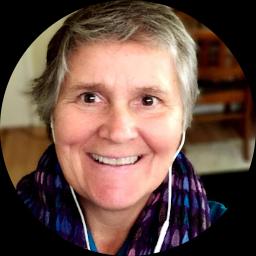
Brenda Reida, LPCC, is a Licensed Professional Clinical Counselor in California with 15 years of experience. She works with stress, anxiety, addictions, LGBT concerns, depression, and coping with life changes. Brenda describes clients as the experts of their own stories and emphasizes building on existing strengths while working through challenges.
She uses evidence-based therapeutic techniques to address mood disorders, impulse-related problems, and addictive behaviors. Sessions focus on practical steps for managing stress and anxiety, improving communication, and reducing harmful patterns such as process or substance-related addictions. Brenda also addresses caregiver stress, guilt and shame, and difficulties with isolation or social anxiety.
Her approach centers on collaboration. She helps people identify goals, recognize strengths, and try strategies that target specific behaviors and feelings. The work often includes breaking down problems into manageable steps and practicing new ways of coping in everyday life.
Brenda has supported people through life transitions, midlife concerns, and coping after natural or human-caused disasters. She also works with personality-related struggles and self-harm concerns, using focused interventions to reduce risk and increase stability.
Sessions are conducted in English. International clients are not accepted at this time. Cost varies with location and sessions use a subscription model that can be canceled at any time. To begin, clients complete a short matching questionnaire and schedule a first session.
02
How evidence-based approaches are used in online sessions
She describes her work as grounded in evidence-based therapeutic techniques. Cognitive-behavioral style methods focus on identifying unhelpful thoughts and changing behaviors that maintain stress or depression. These techniques help with anxiety, mood disorders, and many addictive patterns.Behavioral strategies target specific actions. This includes breaking habits, building replacement behaviors, and using repeated practice to reduce impulsivity and process or substance-related addictions. These steps are practical and focused on measurable changes.
Finding the right approach is part of the work together. The therapist will review goals, symptoms, and preferences and recommend strategies that fit the client. Clients and the therapist decide collaboratively which techniques to prioritize and when to adjust the plan.
Session formats are not specified in the biography, so confirm current options before booking. Online work can make it easier to fit therapy into a busy week, allow shorter check-ins when needed, and reduce travel time. Licensed professionals also often adapt interventions so clients can practice skills between meetings and apply them in everyday situations.
03
Areas of expertise
Additional focus areas
Experience
15+ years
Listed in
California
Languages
English
04
Frequently asked questions
What concerns does she address?
She works with stress, anxiety, addictions, LGBT concerns, depression, and coping with life changes. Additional focus areas include caregiver stress, communication problems, impulse issues, and process addictions.
What is her therapeutic style?
She uses evidence-based therapeutic techniques and a collaborative style. Sessions emphasize practical steps, goal setting, and building on existing strengths.
How much experience does she have?
She has 15 years of professional work experience in clinical settings.
Is she licensed and where?
She is a Licensed Professional Clinical Counselor (LPCC) licensed in California.
What languages are supported?
Sessions are offered in English.
Does she work with international clients?
International clients are not currently accepted.
How are sessions priced?
Cost varies with location and sessions use a subscription that can be canceled at any time.
How do I start a first session?
Select the See online therapy options button, complete a short matching questionnaire, and schedule a first session.
Online talk therapy is not emergency care. If you are in danger, call 911, or call or text 988.