01
- Addictions
- Attachment issues
- CBT and DBT
About Allison
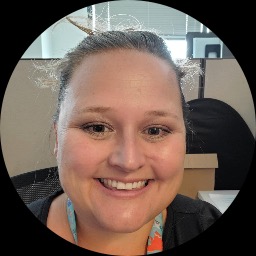
Allison Bratton, Licensed Professional Counselor (LPC) in Oregon, has 12 years of practice helping people with addiction, relationship strain, family problems, trauma and abuse, and mood concerns such as depression and bipolar disorder. She frames work in practical terms and uses well-known therapy methods like CBT, DBT, ACT, attachment-based and client-centered approaches to guide sessions. Sessions also address stress, anxiety, grief, sleep problems, parenting challenges, anger, self-esteem, career questions, ADHD, and related concerns.
Allison describes her style as direct and faith-informed, aiming to help people talk through difficult histories and current struggles. She works with issues that include abandonment, adoption and foster care concerns, attachment issues, autism and Asperger Syndrome, codependency, control and dependent personality patterns, dissociation, and problems stemming from family of origin. The focus is on clear steps people can take between sessions.
Her background includes a broad clinical caseload across mood disorders, substance use, and relational problems. Allison uses cognitive behavioral techniques to address thinking and behavior patterns. She also uses acceptance and commitment ideas to help clients clarify values and make committed changes.
Attachment-based work is part of her practice when relationship patterns are central. Client-centered elements shape how she listens and adapts to each person’s pace. Dialectical behavior therapy skills are used when emotion regulation and distress tolerance are priorities.
Allison aims to help people set goals, practice new skills, and track progress. She supports practical problem solving for everyday life. To begin, readers should follow the site’s steps to view therapy options and schedule a first session.
02
How Allison’s approaches translate to online work
Acceptance and Commitment Therapy (ACT) focuses on helping people clarify their values and commit to actions that align with those values while learning to accept difficult thoughts and feelings. It is often used for anxiety, depression, and life transitions. Cognitive Behavioral Therapy (CBT) looks at the links between thoughts, feelings, and behaviors and teaches practical exercises to change unhelpful patterns; it is commonly used for anxiety, depression, and sleep problems. Attachment-Based Therapy examines relationship patterns and early bonds to help people change how they relate to others and to themselves, which is useful for relationship strain and attachment issues.Finding the right approach is part of the work. Allison collaborates with each person to pick methods that fit their goals and preferences. Together they test techniques, track what helps, and adjust the plan as needed.
Confirm the session formats before booking since the biography does not list specific online formats. Online sessions can make it easier to fit therapy into daily life, whether that means brief check-ins that work around a work break, video meetings when visual cues matter, or phone conversations when bandwidth is limited. The focus is on practical access and making sessions fit regular routines rather than on rigid rules about how therapy must happen.
03
Areas of expertise
Primary focus
Also works with
Additional focus areas
Therapeutic approaches
Experience
12+ years
Listed in
Oregon
Languages
English
04
Frequently asked questions
What issues does she address?
She works with addictions, relationship and family problems, trauma and abuse, mood disorders, anxiety, grief, parenting concerns, sleep struggles, and related topics.
What is her therapy style?
Her style blends client-centered listening with practical techniques from CBT, DBT and ACT. She focuses on concrete steps and skill practice between sessions.
How much experience does she have?
She has 12 years of professional practice in clinical settings.
Is she licensed and where does she practice?
She is a Licensed Professional Counselor (LPC) licensed in Oregon.
Which languages are supported?
Sessions are offered in English.
Can she work with international clients?
She does not accept international clients at this time.
How are fees handled?
Cost varies by location and services; sessions use a subscription that can be canceled at any time.
How do I get started?
Select the See online therapy options button, complete the short matching questionnaire, and schedule a first session.
Online talk therapy is not emergency care. If you are in danger, call 911, or call or text 988.