01
- Client-Centered Therapy
- Cognitive Behavioral Therapy
- Motivational Interviewing
About Aleisa
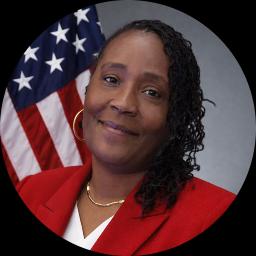
Aleisa Keels Wilson, LCSW, holds a North Carolina LCSW and has 25 years of clinical experience. She works on stress, anxiety, addictions, depression, relationship and family concerns using a person-centered and cognitive approach. She describes her style as interactive and focuses on practical conversation and problem solving.
Aleisa helps people who face substance use and co-occurring concerns. She also supports those coping with trauma, abuse, grief, parenting strain, and career or life changes. Her work covers anger, intimacy-related issues, bipolar disorder, and compassion fatigue as well.
She uses Client-Centered Therapy to center the client's perspective and Cognitive Behavioral Therapy to identify patterns of thought and behavior. Motivational Interviewing helps when people are ambivalent about change. Solution-Focused Therapy is used for setting concrete short-term goals and building small steps forward.
Sessions emphasize direct dialogue, skill practice, and goal-setting. Aleisa says she adjusts the conversation and plan to fit what the person needs. Expect a practical, interactive process that looks at current problems and workable strategies.
Her additional focus areas include blended family issues, caregiver stress, codependency, communication and control problems, divorce and separation, domestic violence, drug and alcohol addiction, and forgiveness work. She offers services in English and does not work with international clients.
02
Using person-centered and cognitive methods in online work
Aleisa draws on Client-Centered Therapy and Cognitive Behavioral Therapy in her online practice. Client-Centered Therapy focuses on listening to the person's own goals and perspective, helping them describe what matters and decide next steps. Cognitive Behavioral Therapy looks at how thoughts and behaviors interact and uses practical exercises to change unhelpful patterns.Finding the right approach is part of the work. The therapist will review goals, preferences, and concerns together and recommend which methods to emphasize. That collaborative process lets the plan change as needs evolve and as progress is tracked.
The original biography does not list specific session formats, so confirm current options before booking. In general, remote sessions can make it easier to fit appointments around work, reduce travel time, and allow shorter check-ins when needed. Therapists can use conversational techniques, skill coaching, and goal-focused exercises effectively in remote sessions, and Aleisa adapts her interactive style to whatever format is agreed on.
03
Areas of expertise
Primary focus
Also works with
Additional focus areas
Therapeutic approaches
Experience
25+ years
Listed in
North Carolina, Florida
Languages
English
04
Frequently asked questions
What concerns does she address?
She works with stress, anxiety, addictions, depression, relationship and family issues, trauma and abuse, grief, parenting, anger, bipolar, and compassion fatigue among other concerns.
What is her therapeutic approach and style?
Her approach combines Client-Centered Therapy with Cognitive Behavioral Therapy, Motivational Interviewing and Solution-Focused Therapy. She describes her style as interactive and focused on practical conversation.
How much clinical experience does she have?
She has 25 years of experience working as a psychotherapist.
What credentials and location does she hold?
She is an LCSW licensed in North Carolina and practices from that state.
Which languages are offered and are international clients accepted?
Sessions are offered in English and international clients are not currently accepted.
What session formats are available?
The biography does not specify session formats; confirm current session options before booking.
How are costs handled?
Cost varies with location and sessions use a subscription that can be canceled at any time.
How do I begin working with her?
Choose the See online therapy options button, complete the short matching questionnaire, and schedule a first session.
Online talk therapy is not emergency care. If you are in danger, call 911, or call or text 988.