01
- Acceptance and Commitment Therapy
- Motivational techniques
- Recovery skills training
About Agyenim
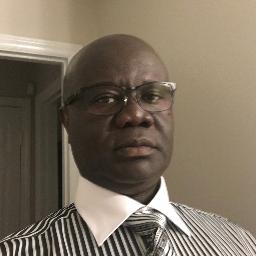
Dr. Agyenim Akuamoah-Boateng, LCMHC, is licensed in North Carolina and has 23 years of experience in mental health and substance use counseling. He works on stress, anxiety, addictions, trauma and abuse, grief, depression, and related concerns. His approach uses Acceptance and Commitment Therapy, client-centered methods, Cognitive Behavioral Therapy, and motivational techniques to help people set goals and build recovery skills.
He has worked in the field since 1998 and in licensed private practice since 2001. Much of his recent work focuses on people with co-occurring medical, mental health, and substance use challenges. He emphasizes integrated care that addresses multiple areas at once rather than treating problems separately.
Sessions typically include goal setting, skills training for recovery, problem-solving, and talk-based work to examine patterns of thought and behavior. He uses motivational enhancement techniques to support change and ACT techniques to address traumatic responses. CBT and client-centered strategies help with day-to-day coping and decision making.
He also offers recovery skills training aimed at stopping and maintaining abstinence from alcohol, prescription medications, and illicit drugs. This includes practical steps, relapse prevention strategies, and building routines that support sobriety.
Dr. Akuamoah-Boateng frames counseling as a professional relationship grounded in ethical standards. He focuses on helping people gain self-efficacy, clarify goals, and take concrete steps toward those goals. The emphasis is on actionable work rather than abstract discussion.
02
How his therapeutic approaches translate to online work
Acceptance and Commitment Therapy (ACT) helps people notice thoughts without getting stuck in them and focus on values-based actions. It can be useful for trauma responses, anxiety, and making life changes.Attachment-Based Therapy looks at patterns in relationships and how early experiences affect current connections. It can help with intimacy issues, abandonment concerns, and communication problems.
He treats the choice of approach as collaborative. The therapist will work with each person to identify goals, try methods, and adjust the plan based on what helps most. This means approaches may be combined or shifted over time to match needs and preferences.
Please confirm which session formats are currently offered before booking, as the biography does not list them. Online sessions can make it easier to fit counseling into work and family schedules, reduce travel time, and allow brief check-ins when needed. Some formats can be better for low-bandwidth situations or when a shorter, phone-based check-in is preferable. Licensed professionals can adapt exercises, skills training, and relapse-prevention work for remote sessions so progress continues even when meeting virtually.
03
Areas of expertise
Also works with
Additional focus areas
Therapeutic approaches
Experience
23+ years
Listed in
North Carolina
Languages
English
04
Frequently asked questions
What concerns does he address?
He works with stress, anxiety, addictions, trauma, grief, depression, and related issues such as self-esteem, sleep, and career concerns.
What is his therapeutic style?
He combines Acceptance and Commitment Therapy, client-centered work, Cognitive Behavioral Therapy, and motivational techniques for practical skills and goal setting.
How much experience does he have?
He has 23 years of experience in mental health and substance use counseling and has worked in licensed private practice since 2001.
Where is he licensed to practice?
He is a Licensed Clinical Mental Health Counselor (LCMHC) licensed in North Carolina.
Which languages are offered?
Sessions are offered in English and he accepts international clients.
What session formats are available?
The biography does not list specific session formats; confirm current session options before booking.
How are fees handled?
Cost varies with location and sessions use a subscription that can be canceled at any time.
How do I begin working with him?
Select the See online therapy options button, complete the short matching questionnaire, and schedule a first session.
Online talk therapy is not emergency care. If you are in danger, call 911, or call or text 988.