01
- Addiction counseling
- CBT and DBT methods
- Speaks English and Japanese
About Yuki
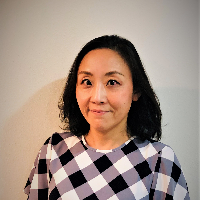
Yuki Sugisaki, Licensed Marriage and Family Therapist (LMFT), is licensed in California and has 14 years of clinical experience. She works with stress, anxiety, addiction, mood disorders, relationship and family concerns, and related issues using client-focused therapeutic methods. Sessions are offered in English and Japanese, and she accepts international clients.
Sugisaki uses attachment-based work to look at how early relationships affect current patterns. She pairs that with client-centered approaches that prioritize the person’s perspective and goals. Cognitive Behavioral Therapy (CBT) and Dialectical Behavior Therapy (DBT) tools appear in her work when people need skills for mood, anxiety, or impulse-related problems.
Her background includes long experience in addiction counseling and work with co-occurring mental health conditions. That experience informs how she addresses drug and alcohol addiction, relapse risk, and related family stress. She also helps people dealing with depression, bipolar disorder, grief, trauma, obsessive or compulsive concerns, and life transitions.
Sugisaki describes therapy as a collaborative process. She listens for the story behind symptoms and uses practical strategies alongside relational exploration. People leave with specific coping skills and clearer next steps when possible.
Her practice supports work on intimacy-related issues, parenting stress, caregiver strain, eating and food-related problems, and struggles with identity and isolation. Cost varies by location and sessions use a subscription that can be canceled at any time.
02
How her approaches translate to remote work
Attachment-Based Therapy examines patterns from past relationships and how they affect current bonds; it helps with relationship strain, intimacy issues, and trauma-related attachment wounds. Client-Centered Therapy focuses on the person’s perspective and goals, using listening and reflection to clarify concerns and priorities. Cognitive Behavioral Therapy (CBT) offers practical skill-building to change unhelpful thoughts and behaviors, useful for anxiety, depression, panic, and compulsive habits.Finding the right approach is part of the work. The therapist will review symptoms, goals, and preferences together and recommend whether relational exploration, skills training, or a mix makes sense. Decisions about methods are collaborative and can change as needs evolve.
The biography does not list specific session formats, so confirm current online options before booking. Online sessions can make it easier to fit therapy into a busy day, allow shorter check-ins when needed, and avoid travel time. Remote work also supports continuity when clients move or are outside the region, and it lets therapists use worksheets, behavioral experiments, and skills coaching in real time without changing the core clinical approach.
03
Areas of expertise
Primary focus
Also works with
Additional focus areas
Therapeutic approaches
Experience
14+ years
Listed in
California
Languages
English, Japanese
04
Frequently asked questions
What issues does she address?
She works with stress, anxiety, addiction, depression, bipolar disorder, trauma, relationship and family concerns, and related areas such as eating and sleep problems.
What is her therapeutic style?
Her approach combines attachment-based work and client-centered care with practical CBT and DBT skills when needed.
How much clinical experience does she have?
She has 14 years of experience in clinical practice.
Where is she licensed to practice?
She is a Licensed Marriage and Family Therapist (LMFT) in California.
Which languages are supported in sessions?
Sessions are offered in English and Japanese, and she accepts international clients.
What session formats are available?
The original biography does not specify session formats; confirm current session options before booking.
How does pricing work?
Cost varies with location and sessions use a subscription that can be canceled at any time.
How do I begin working with her?
Select the See online therapy options button, complete the short matching questionnaire, and schedule a first session.
Online talk therapy is not emergency care. If you are in danger, call 911, or call or text 988.