01
- CBT methods
- DBT skills
- Gottman method
About Thandi
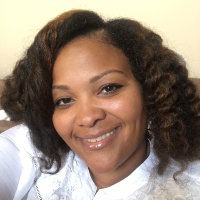
Thandi Wells, LPC, LCPC, holds licenses in Alabama and has eight years of clinical experience. She focuses on stress, anxiety, addictions, trauma and abuse, depression, relationship and family concerns, and related areas. She describes her work as counseling and coaching and uses direct feedback with client education as part of care.
Wells began her career as a case manager in substance abuse. She progressed to primary therapist and later served as a program director. That background shaped her practical approach to substance-related concerns and co-occurring issues.
Her sessions mix several evidence-informed approaches. She commonly uses cognitive behavioral therapy, dialectical behavior therapy, and reality-based techniques to address thinking patterns, emotional regulation, and everyday behavior. She also integrates Acceptance and Commitment Therapy and Client-Centered methods when they fit the situation.
She emphasizes active skills work in sessions. That includes learning coping strategies for anxiety and mood symptoms, practicing communication skills, and developing relapse prevention plans for addictions. She also addresses parenting, intimacy-related issues, and career stress by translating therapeutic methods into clear steps.
Wells uses straightforward feedback alongside teaching. She frames therapeutic work as coaching at times, focused on building skills for coping with life changes, grief, anger, and issues such as codependency or attachment concerns. Sessions aim to be practical and goal oriented.
People who choose her can expect clear guidance, skills practice, and educational elements. Her background in program leadership and substance care informs how she structures treatment and measures progress.
02
Therapeutic approaches and online care
Acceptance and Commitment Therapy (ACT) focuses on clarifying values and taking committed action. It helps people manage difficult thoughts and stay engaged with important life directions. Cognitive Behavioral Therapy (CBT) looks at thoughts and behaviors together and teaches practical skills for reducing anxiety and depression. Dialectical Behavior Therapy (DBT) emphasizes emotion regulation and distress tolerance skills for intense emotions and relationship strain.Finding the right approach is part of the work. The therapist will talk with each person about goals and preferences and decide together which methods to try. That collaborative process helps match skills training, communication work, or values-based action to what the client needs.
Confirm current session options before booking because formats are not listed here. Online sessions can make it easier to fit therapy into a busy week, allow shorter check-ins when needed, and reduce travel time. Licensed professionals can use remote appointments to focus on skills practice, communication coaching, relapse prevention, and cognitive work in ways that fit day-to-day life.
03
Areas of expertise
Also works with
Additional focus areas
Therapeutic approaches
Experience
8+ years
Listed in
Alabama, Maine
Languages
English
04
Frequently asked questions
What issues does she focus on?
She focuses on stress, anxiety, addictions, trauma and abuse, depression, relationship and family concerns, and related issues such as ADHD and grief.
What is her therapy style?
Her style blends direct feedback with client education and skills practice. She uses coaching elements alongside counseling.
How much experience does she have?
She has eight years of clinical experience, including roles as a case manager, primary therapist, and program director.
Which credentials and state licensure does she hold?
She holds LPC and LCPC credentials and is licensed in Alabama.
In which languages are sessions offered?
Sessions are offered in English.
Can international clients work with her?
She does not accept international clients at this time.
How are sessions billed?
Cost varies with location and sessions use a subscription that can be canceled at any time.
How do I begin working with her?
Select the See online therapy options button, complete a short matching questionnaire, and schedule a first session.
Online talk therapy is not emergency care. If you are in danger, call 911, or call or text 988.