01
- Client-centered Therapy
- Cognitive Behavioral Therapy
- Solution-focused techniques
About Jessica
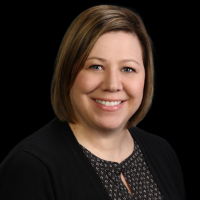
Jessica Hartman, LCSW, LICSW, holds social work licenses in Minnesota and has practiced in the field for 20 years. She focuses on stress, anxiety, depression, relationship and family concerns, trauma and abuse, grief, parenting, anger, self-esteem, career issues, bipolar disorder, and ADHD. She also emphasizes women's issues and young adult concerns. Her stated approach blends client-centered work with cognitive behavioral and solution-focused techniques.
Jessica uses brief, direct conversation and practical strategies in sessions. She draws on client-centered Therapy to focus on each person's experience and priorities. She uses cognitive behavioral methods to help people notice and change unhelpful thinking and behavior patterns. Solution-focused techniques are used to identify small, achievable steps toward goals.
Her background includes a Bachelor of Arts in Psychology from the University of North Dakota and a Master of Social Work from the College of St. Catherine/University of St. Thomas. She has worked across rural and urban settings, including schools, day-treatment programs, in-home care, outpatient behavioral health clinics, and virtual care. That range informs her view of what works in different everyday contexts.
Sessions emphasize practical skills and relation-based conversation. Jessica describes her style as relational and strength-based, looking for existing strengths to build on. She incorporates mindfulness practices alongside other approaches when helpful.
She has worked in multiple states and community settings. Prospective clients should confirm current session options and formats before booking a first appointment.
02
Remote use of client-centered and CBT approaches
Client-centered Therapy focuses on understanding a person's perspective and priorities. In practice this means the therapist listens carefully, reflects concerns, and helps people set goals that matter to them. Cognitive Behavioral Therapy (CBT) targets patterns of thought and behavior that contribute to distress. CBT work often includes identifying unhelpful thoughts, testing them, and practising new ways of responding to difficult situations.Finding the right approach is part of the work. The therapist will discuss goals, preferences, and what has or hasn't helped before. Together they decide which methods to try and adjust them as needed so sessions stay useful and relevant.
Session formats are not listed in the original biography, so confirm current online options before booking. Online sessions can make scheduling easier and reduce travel time. They also allow for shorter check-ins when a full session isn't needed and can fit between work or school obligations. Licensed professionals commonly use remote sessions to continue work between in-person visits and to maintain steady progress without long gaps.
03
Areas of expertise
Primary focus
Also works with
Additional focus areas
Therapeutic approaches
Experience
20+ years
Listed in
North Dakota, Minnesota, Nevada
Languages
English
04
Frequently asked questions
What concerns does she address?
She works with stress, anxiety, depression, trauma and abuse, relationship and family challenges, grief, parenting, anger, self-esteem, career issues, bipolar, ADHD, and LGBT concerns.
What is her therapeutic style?
Her approach is client-centered and relational, combined with cognitive behavioral and solution-focused techniques and some mindfulness practices.
How much experience does she have?
She has worked in the mental health field for 20 years and has six years practicing as a licensed clinical social worker.
Which credentials and location are listed?
She holds the credentials LCSW and LICSW and is based in Minnesota.
Are sessions available in other languages?
Sessions are offered in English.
Can international clients work with her?
She does not accept international clients at this time.
How does cost and billing work?
Cost varies with location and sessions are billed through a subscription that can be canceled at any time.
How do I begin a first session?
Select the See online therapy options button, complete a short matching questionnaire, and schedule the first session.
Online talk therapy is not emergency care. If you are in danger, call 911, or call or text 988.