01
- cognitive behavioral methods
- rational-emotive techniques
- solution-focused strategies
About Benita
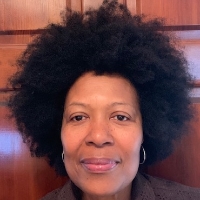
Benita Wilson, LCMHC, LMHC, is licensed in New York and North Carolina and has 24 years of clinical experience. She works on stress, anxiety, addictions, relationship and family concerns, depression, trauma and abuse, grief, intimacy issues, parenting, anger, self-esteem, career matters, bipolar disorder, ADHD, and compassion fatigue. Her practice emphasizes straightforward, client-centered sessions that focus on practical change.
Wilson's style is described as open and engaging. She uses cognitive behavioral methods, rational-emotive techniques, and solution-focused strategies to address specific problems. Sessions typically involve identifying patterns, testing new behaviors, and setting concrete, measurable goals.
She often helps people manage symptoms such as panic and chronic stress. Treatment can include short-term skill building for coping and long-term work on relationship patterns or life transitions. She notes attention to both mood-related conditions and issues tied to role changes like parenting or career shifts.
Her approach foregrounds respect and direct conversation. Clients can expect clear feedback and structured interventions rather than vague generalities. The work aims to reduce distress and increase practical functioning in daily life.
With two decades of practice, she brings experience across many presenting problems. Her background includes work with relationship counseling and traumatic brain injury among other areas. Prospective clients should confirm current session formats before scheduling.
02
Approaches used in remote sessions and how they help
Wilson uses cognitive behavioral methods to help people recognize unhelpful thoughts and test alternative behaviors. This usually involves setting small experiments and practicing new skills between meetings to reduce anxiety and improve mood.She also applies rational-emotive techniques that focus on identifying rigid beliefs and replacing them with more flexible thinking. That approach is often useful for anger, self-esteem issues, and distress linked to strong negative evaluations of oneself or others.
Solution-focused strategies are used to set clear, short-term goals and track progress. Those methods concentrate on what is already working and on building concrete steps toward specific changes. Finding the right mix of approaches is part of the work together. The therapist will collaborate with each person to choose methods that match their goals, needs, and preferences. The plan can shift over time as progress is assessed and priorities change.
Confirm which session formats are offered before booking since the biography does not specify formats. Many people find online sessions help fit therapy into a busy life by avoiding travel, allowing shorter check-ins during a break, or making scheduling across time zones easier. Discuss practical scheduling and format questions when arranging the first appointment to ensure the setup fits daily routines.
03
Areas of expertise
Primary focus
Also works with
Experience
24+ years
Listed in
New York, North Carolina
Languages
English
04
Frequently asked questions
What concerns does she address?
She works with stress, anxiety, addictions, relationship and family concerns, depression, trauma and abuse, grief, intimacy-related issues, parenting, anger, self esteem, career matters, bipolar disorder, ADHD, and compassion fatigue.
What is her therapeutic style?
The approach is client-centered, open, and engaging. She uses clear feedback and structured interventions.
How much clinical experience does she have?
She has 24 years of experience in clinical practice.
Which credentials and locations apply?
She holds LCMHC and LMHC credentials and is licensed in North Carolina and New York.
Which languages are sessions offered in?
Sessions are offered in English and international clients are accepted.
What session formats are available?
The original biography does not list specific session formats; confirm current online or in-person options before booking.
How is cost handled?
Cost varies with location and sessions use a subscription that can be canceled at any time.
How do I begin working with her?
Select the See online therapy options button, complete a short matching questionnaire, and schedule a first session.
Online talk therapy is not emergency care. If you are in danger, call 911, or call or text 988.