01
- DBT skills
- CBT techniques
- Grief support
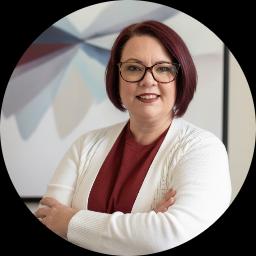
About Amanda
Amanda Miller-Hodges, LMHC, LPC, is licensed in Florida and Georgia with 15 years of clinical experience. She works with people facing stress, anxiety, depression, bipolar disorder, grief, addictions, relationship and family concerns, trauma and abuse, parenting challenges, and ADHD. Her approach combines practical skills and talk therapy to change thoughts and behaviors and improve daily functioning.
Amanda uses mindfulness, emotion regulation, interpersonal skills, and distress tolerance to help manage intense emotions. She incorporates Acceptance and Commitment Therapy, Cognitive Behavioral Therapy, Dialectical Behavior Therapy, Motivational Interviewing, and Solution-Focused methods. Sessions focus on learning concrete skills, practicing new responses, and setting achievable goals.
Her background includes work across outpatient, group, and higher-intensity settings. She has led skills training groups and worked with clients facing self-harm behaviors, PTSD, addictions, obsessive-compulsive patterns, and complicated grief. This range informs a practical style that balances skills practice with problem-solving conversations.
Amanda also addresses issues related to abandonment, adoption and foster care, codependency, communication problems, dissociation, divorce, emptiness, impulsivity, and first responder or veteran concerns. She frames treatment around measurable changes and coping strategies for daily life.
People who meet with her can expect a focused, skill-oriented process. The work emphasizes learning tools to reduce distress, improve relationships, and build routines that support better functioning. To begin, readers are directed to the site’s matching and scheduling process.
02
How evidence-based approaches translate to remote sessions
Amanda uses Acceptance and Commitment Therapy to help people clarify values and take actions that match those values. ACT often addresses avoidance, meaning, and motivation problems and can help with depression and life changes.Cognitive Behavioral Therapy is used to identify unhelpful thoughts and to practice different behaviors. CBT focuses on patterns that maintain anxiety or low mood and teaches step-by-step coping strategies.
Dialectical Behavior Therapy supplies concrete skills for emotion regulation, distress tolerance, and interpersonal effectiveness. DBT skills can reduce intense reactions and improve communication in close relationships.
Deciding which approach to use is a collaborative process. The therapist will review needs, goals, and preferences and then recommend approaches to try. Adjustments are made based on how a person responds to the work.
Confirm specific session formats before booking, as the profile does not list formats. Online sessions can make it easier to fit therapy into a busy week, shorten check-ins, or avoid travel time. Talk with the therapist during the matching step about scheduling and how sessions can fit into everyday life.
03
Areas of expertise
Primary focus
Also works with
Additional focus areas
Therapeutic approaches
Experience
15+ years
Listed in
Florida, Georgia
Languages
English
04
Frequently asked questions
What concerns does Amanda treat?
She works with stress, anxiety, depression, bipolar disorder, grief, addictions, relationship and family issues, trauma and related problems listed on her profile.
What is her therapeutic style?
Her style emphasizes practical skills and talk therapy. Sessions combine mindfulness, emotion regulation, interpersonal skills, and behavioral techniques.
How much experience does she have?
Amanda has 15 years of clinical experience in outpatient and group settings.
What are her credentials and location?
She holds LMHC and LPC credentials and lists Florida as her primary location.
Which languages are supported?
Sessions are offered in English.
Can international clients work with her?
She does not accept international clients at this time.
How are session costs handled?
Cost varies with location and sessions use a subscription that can be canceled at any time.
How do I get started?
Select the See online therapy options button, complete the short matching questionnaire, and schedule a first session.
Online talk therapy is not emergency care. If you are in danger, call 911, or call or text 988.