01
- CBT methods
- DBT skills
- Trauma focus
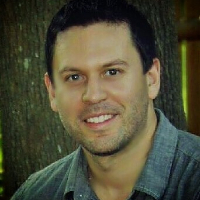
About Ivan
Ivan Resto, LCMHC, LPC, is licensed in Utah and Virginia and has 15 years of clinical experience. He works with people dealing with stress, anxiety, depression, anger, grief, trauma and abuse, bipolar disorder, parenting strain, and family concerns. He describes his approach in plain terms: he listens, talks through problems, and uses practical strategies from client-centered and evidence-based therapies.
Resto focuses on helping people manage mood and anxiety symptoms. He uses Cognitive Behavioral Therapy to identify unhelpful thinking and change behaviors that keep problems going. He also draws on Dialectical Behavior Therapy skills for emotion regulation and interpersonal effectiveness when those are useful.
Trauma-Focused Therapy is part of his work for people affected by past abuse or traumatic events. Mindfulness practices are used to increase present-moment awareness and reduce reactivity. Sessions aim to teach hands-on tools people can use between meetings.
He frames therapy as a practical collaboration. Clients set goals and track small steps toward them. Sessions involve talking, skill-building, and reviewing progress.
Resto has experience across community and clinical settings over his 15-year career. He offers services in English and practices in Virginia. Prospective clients should confirm current session options before scheduling.
02
How his approaches translate to online sessions
Client-Centered Therapy focuses on active listening and reflecting a person’s experience to clarify goals and priorities. Online sessions using this approach center on the client’s concerns and on building a working plan together.Cognitive Behavioral Therapy (CBT) targets the links between thoughts, feelings, and behavior. In remote sessions, CBT work commonly includes reviewing thought patterns, assigning short practical exercises between meetings, and tracking small changes over time.
Dialectical Behavior Therapy (DBT) contributes concrete skills for managing intense emotion and improving communication. When DBT skills are used online, sessions often include teaching a skill, practicing it in session, and planning how to use it during the week.
Finding the right approach is part of the initial work. The therapist will collaborate with the client to decide which methods fit their needs, goals, and preferences. That plan can be adjusted as progress is reviewed.
Confirm the therapist's available session formats before booking. Online work can make it easier to fit counseling into a busy day, allow shorter check-ins when needed, and remove travel time. Ask about the specific session options offered at scheduling.
03
Areas of expertise
Primary focus
Also works with
Additional focus areas
Therapeutic approaches
Experience
15+ years
Listed in
Virginia, Utah
Languages
English
04
Frequently asked questions
What concerns does he address?
He works with stress, anxiety, depression, anger, grief, trauma and abuse, bipolar disorder, parenting and family concerns, and related issues like panic and social anxiety.
What is his therapeutic style?
He combines client-centered listening with practical techniques from CBT, DBT, mindfulness, and trauma-focused therapy to teach skills and track progress.
How much experience does he have?
He has 15 years of experience in counseling and related clinical settings.
Where is he licensed and practicing?
He holds an LCMHC in Utah and an LPC in Virginia and practices in Virginia.
Which languages are supported?
Sessions are offered in English.
Can people outside the US work with him?
International clients are not currently accepted.
How are fees handled?
Cost varies by location and sessions use a subscription that can be canceled at any time.
How do I begin a first session?
Select the See online therapy options button, complete a short matching questionnaire, and schedule a first session.
Online talk therapy is not emergency care. If you are in danger, call 911, or call or text 988.