01
- CBT
- Gottman Method
- Motivational Interviewing
About Dorrance
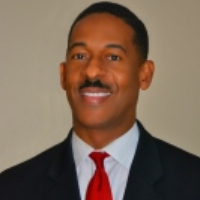
Dr. Dorrance Kennedy is a Licensed Clinical Social Worker (LCSW) licensed in North Carolina with ten years of counseling experience. He works on stress, anxiety, relationship and family concerns, grief, trauma and abuse, parenting and intimacy-related issues. His stated style is engaging and interactive and he uses approaches such as Cognitive Behavioral Therapy, Motivational Interviewing, the Gottman Method, and Solution-Focused Therapy.
Dr. Kennedy helps people talk through worry and tension in clear, practical sessions. He uses hands-on strategies from Cognitive Behavioral Therapy to spot unhelpful thought patterns and try different coping skills. Motivational Interviewing informs how he supports change by focusing on a person’s own reasons for wanting things to be different.
For relationship concerns he draws on the Gottman Method to address communication patterns and rebuild connection. Solution-Focused Therapy is used to set small, concrete goals and track progress between meetings. Sessions are described as interactive, with an emphasis on skills practice and problem solving rather than long lectures.
Dr. Kennedy also works with issues tied to family of origin, fatherhood concerns, infidelity, and midlife or career transitions. He lists compassion fatigue, ADHD, and post-traumatic stress among areas of focus. The tone in sessions is respectful and direct, with attention to practical steps clients can use outside of appointments.
People interested in starting are encouraged to follow the site process to review options and schedule an initial meeting. He conducts sessions in English and does not take international clients.
02
How therapeutic approaches translate to online sessions
Dr. Kennedy uses Cognitive Behavioral Therapy to help clients identify unhelpful thoughts and try small behavioral changes. CBT is practical and often focuses on short-term tools for anxiety, depression, and stress. He also draws on the Gottman Method to address communication patterns and rebuild connection in relationships, using structured exercises that can be practiced between meetings.Motivational Interviewing is another part of his work and helps people clarify their reasons for change and strengthen their motivation. He approaches this collaboratively, helping clients weigh options and choose goals that matter to them. Finding the right mix of methods is part of the process and he will work with each person to settle on an approach based on needs and preferences.
Confirm current session options before booking, as formats are not listed in the biography. Online sessions can make it easier to fit therapy into a busy life by avoiding travel and allowing shorter check-ins when needed. They can also support steady progress by making it simpler to attend regularly and to practice skills between meetings.
03
Areas of expertise
Primary focus
Also works with
Additional focus areas
Therapeutic approaches
Experience
10+ years
Listed in
North Carolina
Languages
English
04
Frequently asked questions
What concerns does he address?
He works with stress, anxiety, relationship and family concerns, grief, trauma and abuse, parenting and intimacy issues, and related topics such as career and midlife transitions.
What is his therapeutic style like?
He describes his style as engaging and interactive, focusing on skills practice, communication work, and solution-focused goal setting.
How much clinical experience does he have?
He has ten years of counseling experience.
What are his credentials and where is he licensed?
He is a Licensed Clinical Social Worker (LCSW) licensed in North Carolina.
What languages are supported for sessions?
Sessions are offered in English.
Can I work with him from outside the United States?
He does not accept international clients.
How are sessions scheduled and paid for?
Sessions use a subscription that can be canceled at any time and cost varies with location.
How do I begin work with him?
Select the See online therapy options button, complete the short matching questionnaire, and schedule a first session.
Online talk therapy is not emergency care. If you are in danger, call 911, or call or text 988.